Should you pour money into upgrades before you list, or sell as-is and move on? In Westport, the answer is not one-size-fits-all. You want to maximize your net proceeds without wasting time or overspending on projects buyers may not value. In this guide, you’ll learn which updates matter most to Westport buyers, what typically pays off, and how to navigate local timelines and permits with confidence. Let’s dive in.
Start with your goal and buyer set
Begin with clarity. Ask: What price band will your home compete in, and who is the most likely buyer? In Westport’s high-value market, many buyers expect move-in-ready homes with quality finishes, especially in higher price tiers. Local household incomes and home values sit well above national medians, which tends to raise expectations for condition and presentation. You can confirm Westport’s profile using recent statistics on household income and owner-occupied home values from U.S. Census QuickFacts.
Once you understand your likely buyer, you can decide if light refreshes will close the gap or if deeper work is justified to match top-tier comparables.
What projects pay off in Westport
High-impact, moderate-cost wins
If you’re listing within 6 to 12 months, focus on visible improvements with strong buyer appeal and solid cost recovery:
- Fresh interior paint in neutral tones and a deep clean. Industry surveys show agents commonly recommend painting before listing because it photographs well and feels move-in ready, a theme echoed in NAR’s remodeling insights.
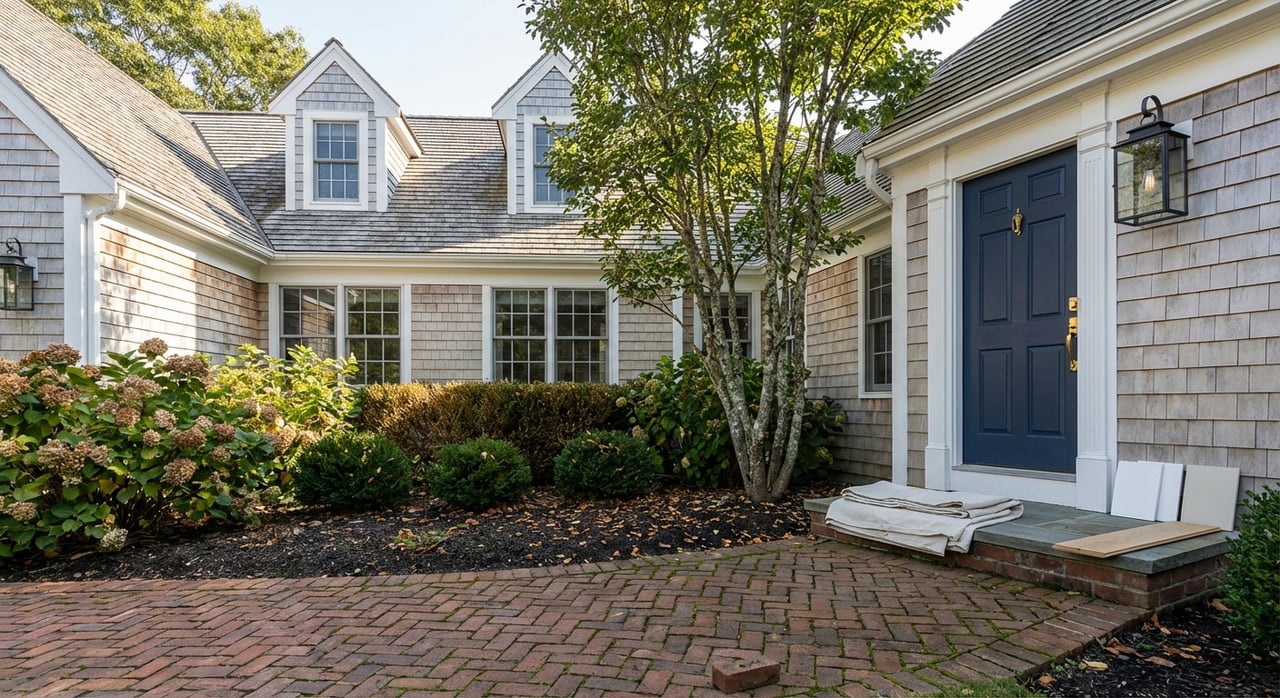
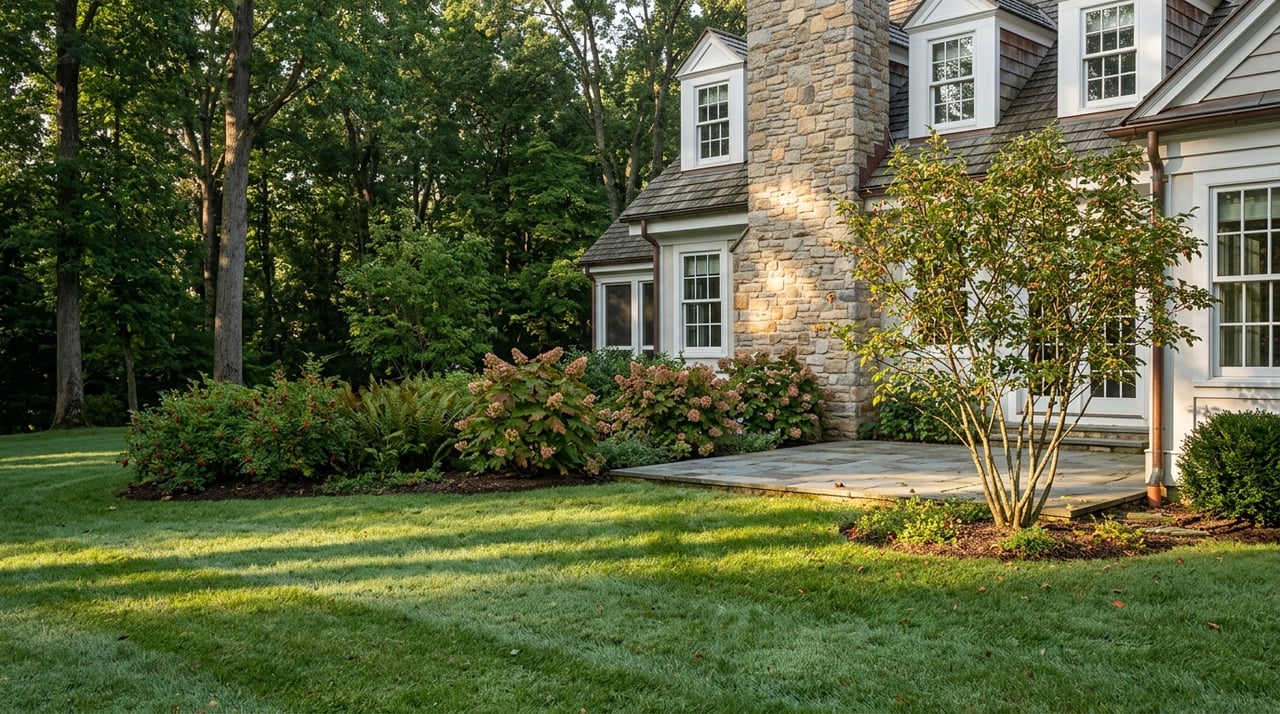
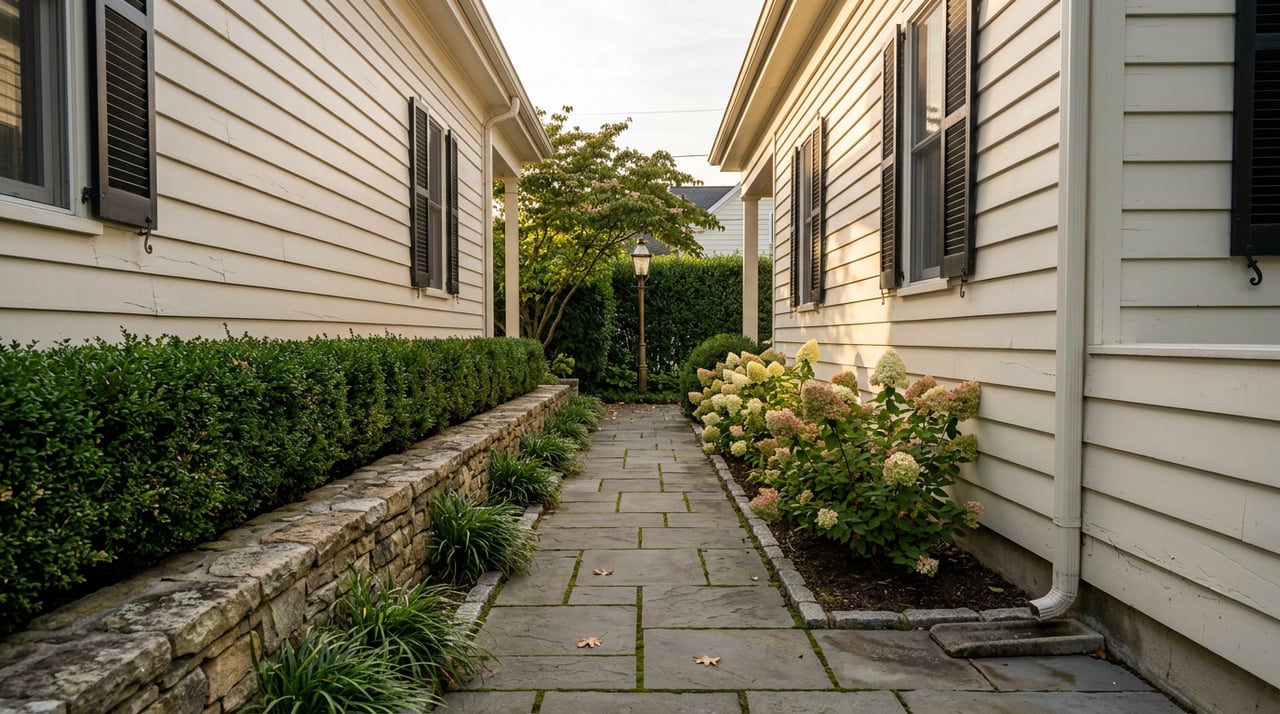
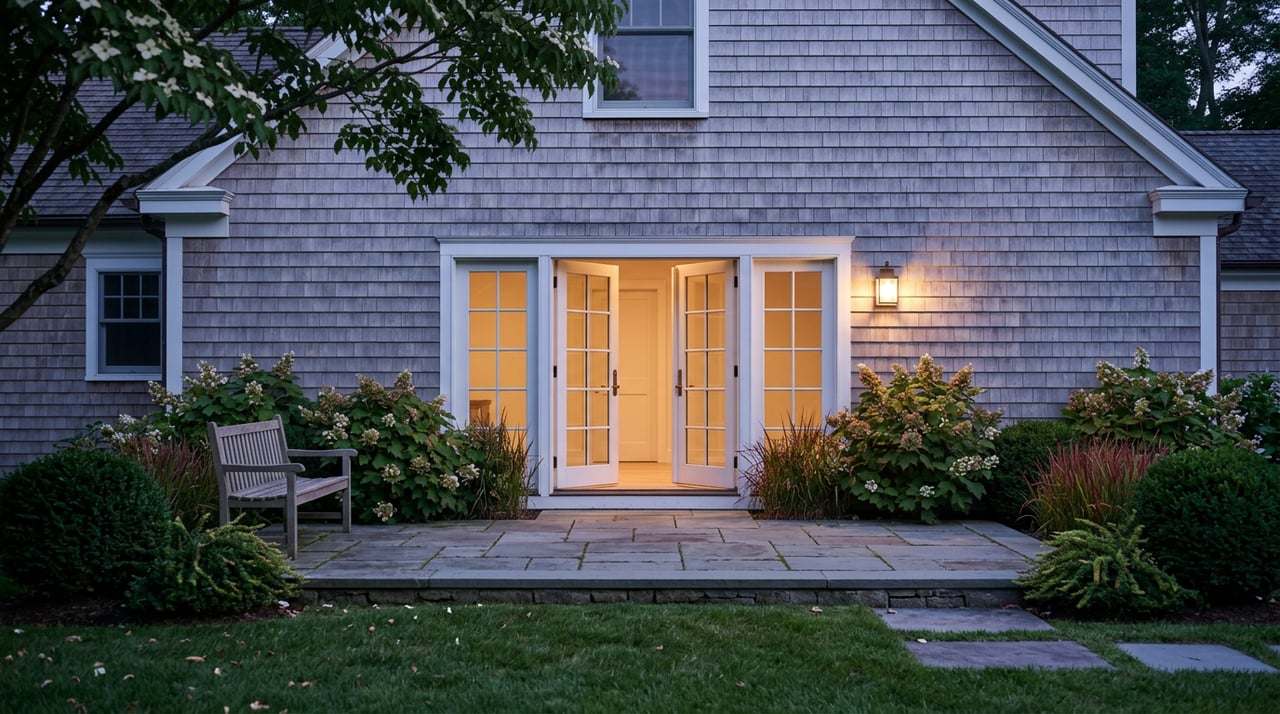
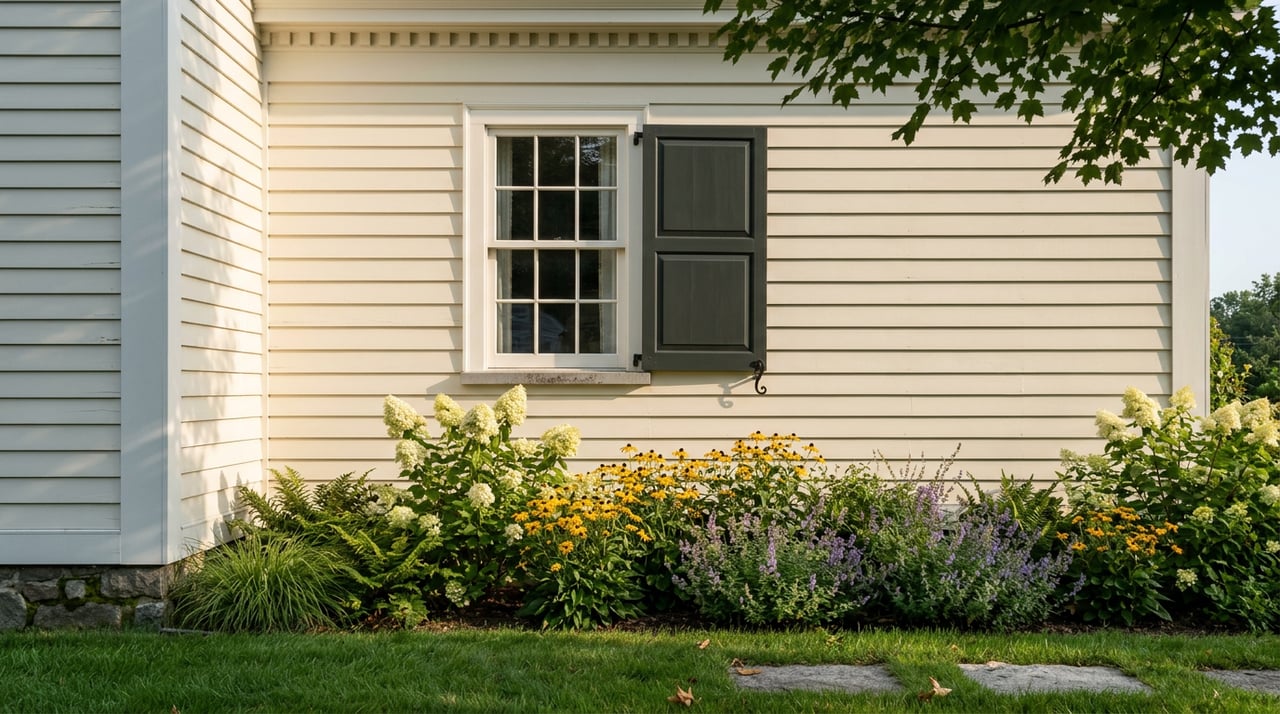
- Curb appeal upgrades. Garage and entry doors often show some of the best short-term returns in national Cost vs. Value research. See the project-by-project recoup data in the 2025 Cost vs. Value Report.
- Targeted lighting, hardware, and flooring refreshes where wear is obvious. Small, consistent updates help your whole home read “well cared for.”
These are the types of changes buyers notice quickly in photos and during first showings, and they typically cost far less than a full renovation.
Kitchens and baths that sell
Kitchens and primary baths carry outsized influence on buyer decisions in upper price bands. The goal is to meet expectations without over-improving:
- Consider a “minor” or midrange kitchen remodel. The 2025 Cost vs. Value analysis reported a strong average recoup for a minor kitchen update, with national figures around 113 percent of cost. Review the specifics in the 2025 Cost vs. Value Report.
- In bathrooms, midrange refreshes often recover a meaningful share of cost. Think updated tile, vanity, fixtures, lighting, and glass — high impact without structural changes. This aligns with project priorities and cost recovery noted in NAR’s remodeling research.
- Material choices matter. Buyers tend to favor durable, timeless surfaces and a clean, well-lit look, a preference reflected in national buyer insights highlighted by NAR.
Remember that national ROI percentages are averages. In Westport, a modest percent gain on a high price point can still equal a significant dollar return, while an over-the-top renovation can struggle to recoup its cost.
When to renovate vs list as-is
Use a simple, defensible framework if you plan to sell in the next 6 to 24 months.
1) Diagnose first
- Order a pre-listing inspection and get estimates from a licensed contractor. Fix safety issues, active leaks, non-functioning systems, and clear code concerns first. This is the highest priority and reduces post-inspection renegotiation risk. See Westport’s inspection requirements on the Building Department site and project priorities echoed in NAR’s guidance.
2) Tackle high-ROI, low-drama improvements
- Fresh paint, deep cleaning, lighting and hardware updates, minor flooring fixes, and curb appeal are typically the best value. Industry research repeatedly lists painting and exterior maintenance among the most recommended pre-listing projects for cost recovery. Review the patterns in NAR’s remodeling report and the Cost vs. Value data.
3) Be surgical with kitchens and baths
- Favor a minor kitchen refresh or midrange bath update unless your comps clearly justify a full gut. Major additions or highly customized luxury projects rarely return as much right before a sale, a trend seen in Cost vs. Value research. Check the comparative returns in the 2025 Cost vs. Value Report.
4) Invest in staging and presentation
- Professional staging and high-quality photography help buyers visualize the lifestyle and can shorten time on market. Many agents report staged homes sell faster and, in some cases, for higher offers, according to NAR’s staging findings.
5) Build schedule and budget buffers
- Do not list mid-project. Add 20 to 30 percent schedule contingency for permitting and materials. Confirm inspection steps and timing with Westport’s Building Department and plan accordingly using their permit and fee resources.
6) Consider financing tools carefully
- If you use pre-sale improvement financing, weigh the fees against the expected uplift. Transparency on costs protects your net proceeds.
Timelines and permitting in Westport
Typical project timelines
- Minor or midrange kitchen: construction is often 6 to 12 weeks once work begins, with added time for design, selections, and permits. See typical ranges in HomeAdvisor’s kitchen overview.
- Midrange bathroom: many complete in 3 to 6 weeks depending on scope and materials, as illustrated in this practical guide to bathroom timelines and costs (source).
- Exterior work: many roofing, siding, door, and landscaping projects are days to a few weeks, with seasonality at play in Connecticut. Short-term ROI for items like doors and siding is documented in the Cost vs. Value data.
Plan for lead times on custom cabinetry, stone, and specialty items, which can extend schedules more than you expect.
Permits and inspections you should expect
Westport requires permits for structural, mechanical, plumbing, and electrical work, plus many exterior changes. Inspections are part of the process and will affect your schedule. Review fees and requirements on the town’s Building Department fee schedule page and confirm the steps listed under required inspections. Because processing times can vary, contact the department early to align your project timeline with your target listing date.
Historic and demolition considerations
If your plan involves tearing down or removing a significant portion of a structure, be aware of Westport’s demolition delay. The town can impose a 180-day delay for buildings 50 years or older and 500 square feet or larger. Review the details in the town’s demolition delay ordinance before you commit to a schedule.
Revaluation note
Westport conducted a town-wide revaluation effective October 1, 2025. Revaluations can influence assessed values and future tax bills, which buyers and sellers often review during pricing discussions. You can learn more at the Westport revaluation page.
Staging and marketing often beat heavy renos
If you’re debating between a costly renovation and a strong presentation plan, consider the ROI profile. Staging is relatively low cost compared with a full remodel and, according to NAR’s staging research, can reduce days on market and lift offers for a portion of listings. In a high-expectation market like Westport, thoughtful staging paired with architectural photography and polished video can meaningfully shape buyer perception.
Common pitfalls to avoid
- Over-improving beyond your neighborhood’s ceiling. Large, highly customized projects often recoup less than targeted, midrange updates, a pattern seen in the Cost vs. Value data.
- Skipping permits or documentation. This can delay or derail closing. Westport outlines inspection requirements on the Building Department page.
- Ignoring staging and photography. Presentation is critical, and NAR’s staging findings show measurable benefits.
- Underestimating lead times. Custom cabinets, stone, and appliances can add weeks. Get realistic ranges from sources like HomeAdvisor.
- Poor contractor vetting. Require licenses, insurance, a written scope, and clear milestones. Quality and code compliance will be tested during buyer inspections and town inspections.
Quick pre-list checklist
- Get a comparative market view from a Westport specialist and decide your likely price band and buyer profile.
- Order a pre-listing inspection and address safety and function issues first. See Westport’s inspection requirements.
- Prioritize: safety and permits, then paint/cleaning/staging, then targeted kitchen and bath refreshes. See NAR’s recommendations and the Cost vs. Value data.
- Expect timelines: minor kitchen 6 to 12 weeks, bathroom 3 to 6 weeks, plus planning and permitting buffers. See HomeAdvisor’s kitchen guide and this bathroom timeline overview.
- Contact the Westport Building Department early for permits, inspections, and any historic or demolition reviews that could affect timing. Start with the fee schedule.
The bottom line for Westport sellers
You do not need to renovate everything to sell well in Westport. Fix what is broken, invest in the visible upgrades buyers value, and lean into staging and premium marketing. Use realistic timelines and get permitting right from day one. If you want a calm, design-forward plan tailored to your property and your timeline, connect with Elizabeth Altobelli for guidance and to request a complimentary home valuation.
FAQs
What upgrades deliver the best ROI when selling a Westport home?
- National data shows strong returns for a minor kitchen remodel, new garage or entry doors, fresh paint, and curb appeal, with staging often improving speed and perceived value. See Cost vs. Value and NAR’s remodeling insights.
How long do pre-sale renovations typically take in Westport?
Do I need permits for cosmetic updates before selling in Westport?
- Cosmetic work like paint may not require permits, but many mechanical, electrical, plumbing, structural, and exterior changes do and require inspections. Confirm scope and steps with Westport’s Building Department resources.
Is full kitchen or bath gut renovation worth it before listing?
- Only if your comparables demand it and timing allows. Major gut projects often recoup a smaller percentage than midrange updates right before a sale, according to the Cost vs. Value data.
Can staging really change my sale outcome in a luxury market like Westport?
- Yes. Many agents report staged homes sell faster and can attract higher offers. Staging helps buyers visualize how spaces live, as summarized in NAR’s staging research.
What local rules could slow a renovation or rebuild before I sell?