Buying or Selling Antique Homes in Middlebury & Southbury
May 14, 2026
May 14, 2026
If you are drawn to antique homes, you already know the appeal goes far beyond square footage. In places like Middlebury and Southbury, these properties offer craftsmanship, setting, and a sense of continuity that newer homes rarely match. If you are thinking about buying or selling along the Antique Trail, it helps to understand both the romance and the reality, and that is exactly what this guide will walk you through. Let’s dive in.
Middlebury and Southbury are a natural fit for anyone searching for antique homes in western Connecticut. Middlebury Green serves as the town’s historic center and is listed as a Historic District on the National Register, while Southbury includes the locally regulated historic districts of Main Street North and South Britain.
This broader area also connects well with the Connecticut Antiques Trail, which is known for antique shops, flea markets, auction houses, historic inns, and scenic travel routes. Southbury sits within that wider corridor, which strengthens the local identity around preservation, history, and character-rich properties.
For buyers, that means you may find homes with a stronger sense of place than you would in a typical neighborhood search. For sellers, it means your home may already sit within a story that buyers find compelling, especially when its history and features are presented clearly.
In this part of Connecticut, an antique home is usually valued for more than its age. What often stands out most is the combination of architecture, original details, and the surrounding setting.
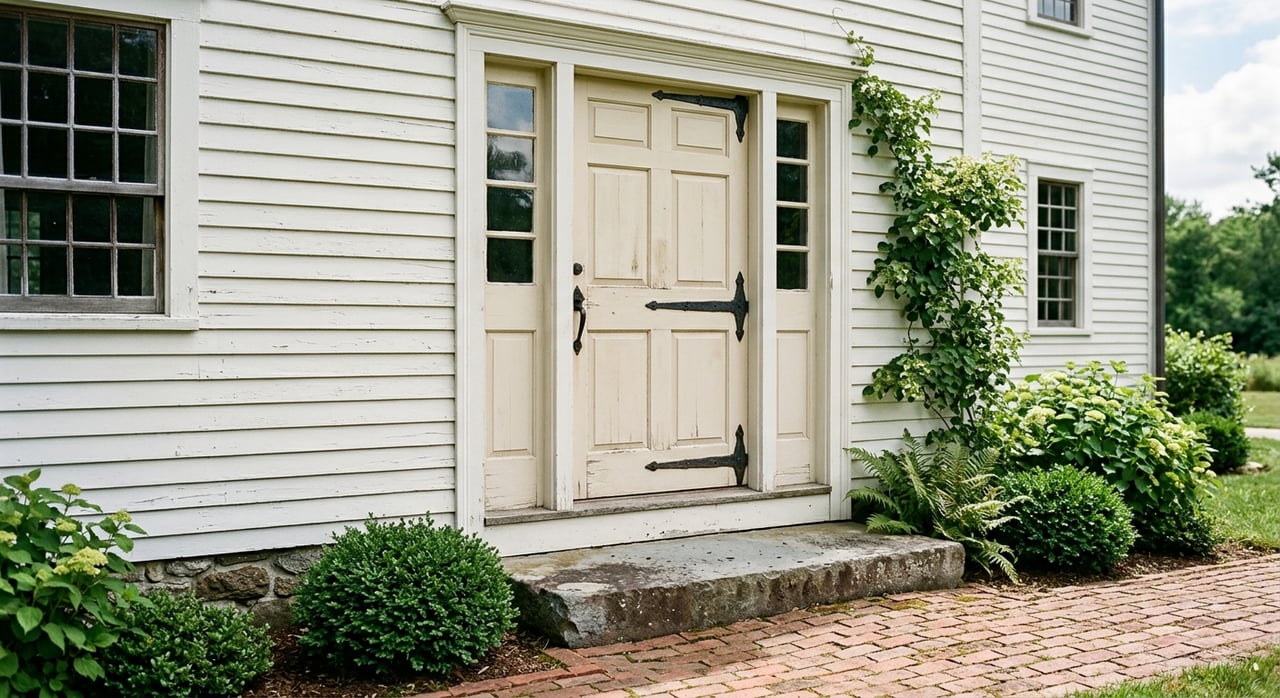
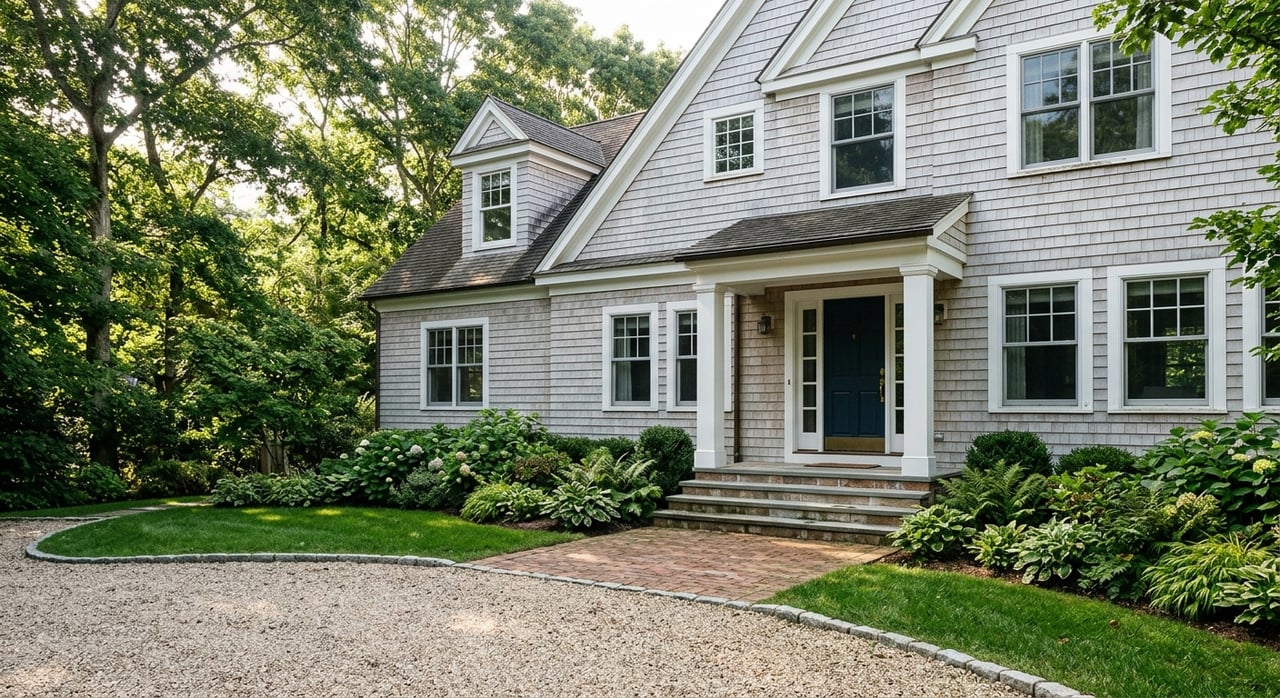
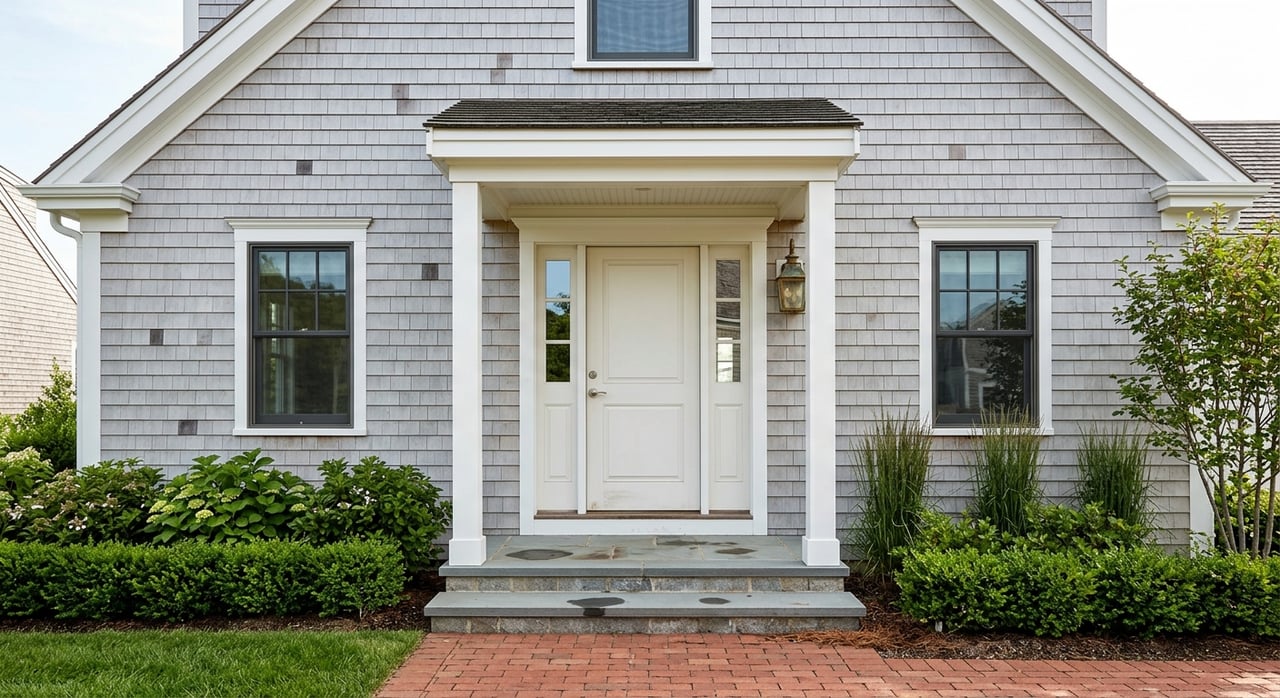
Southbury’s Main Street Historic District is known for architecturally significant residential homes, many built in Georgian, Federal, and Greek Revival styles. You may also see barns, stone walls, fences, and outbuildings that contribute to the property’s character and historic feel.
Middlebury’s historic center offers a similar appeal, with historic residences and churches arranged around an unspoiled Green. These settings matter because buyers are often responding to the full experience of the property, not just the structure itself.
It is also important to understand that “antique home” is usually a market term, not a separate legal property class. Connecticut recognizes local, state, and national historic designations, and each comes with its own context. A National Register listing alone does not restrict a private owner’s alterations, though local rules may still apply.
Buying an older home can be rewarding, but it requires a more detailed review than a typical purchase. Character and condition are not the same thing, and both deserve careful attention before you commit.
If a home was built before 1978, sellers must provide lead-based paint disclosure materials, any known hazards, and available records. Buyers generally have a 10-day opportunity to inspect for lead unless that period is waived.
This matters because older homes are much more likely to contain lead-based paint. According to Connecticut and EPA guidance cited in the research, 87% of homes built before 1940 and 24% of homes built from 1960 to 1978 have some lead-based paint.
In Connecticut, lead inspections must be handled by qualified lead professionals. Consumer test kits are not approved by the state, so it is worth planning for proper evaluation if lead is a concern.
Many antique homes rely on older septic infrastructure, so records matter. Connecticut’s home buyer guidance advises reviewing septic records, asking about pumping and repair history, and understanding how a failed system could be repaired and what that might cost.
This is one of those issues that may not be obvious during a casual showing. A beautiful setting and original charm can quickly feel more complicated if key systems are poorly documented or nearing the end of their life.
Connecticut homes of this era may also have heating-oil infrastructure that deserves extra attention. The state notes that residential oil tanks can be located in basements, outside the home, or buried near the house.
For buyers, that means maintenance history, removal status, and potential cleanup costs should all be part of your due diligence. A clear answer is always better than an assumption.
Antique and historic homes do not always fit neatly into standard valuation models. Because they are less standardized, appraisers may need to account for unique design, condition, construction, and comparable sales in a more nuanced way.
The Appraisal Institute notes that appraisers may use the sales comparison, cost, and income approaches as appropriate. In practice, if an appraisal comes in low, you may need to renegotiate terms or bring a larger down payment.
That does not mean antique homes are harder to finance in every case. It does mean buyers should go in with realistic expectations and a willingness to work through details that newer homes may not raise.
If you are selling an antique home along the Antique Trail, your goal is not simply to say the property is old. Your goal is to show why it has been worth preserving and how it has been cared for.
Features like original millwork, wide-plank flooring, staircases, barns, stone walls, and historic site elements can help buyers understand what makes the property special. These details should be presented as part of a cohesive story about craftsmanship, setting, and continuity.
For a home in Middlebury or Southbury, that story often starts with architecture and expands outward to include the landscape and outbuildings. Buyers respond best when the home’s character feels authentic rather than overly romanticized.
Character attracts attention, but documentation builds confidence. Sellers should be ready to show updates to roofs, mechanical systems, septic systems, and oil tanks whenever applicable.
That combination matters because buyers and appraisers often need to see the difference between a home that is simply old and one that has been carefully maintained. Good records can reduce uncertainty and help support value.
Presentation matters even more when a property has unique features that may not be easy to compare. A thoughtful listing strategy can help buyers see both the beauty and the livability of the home.
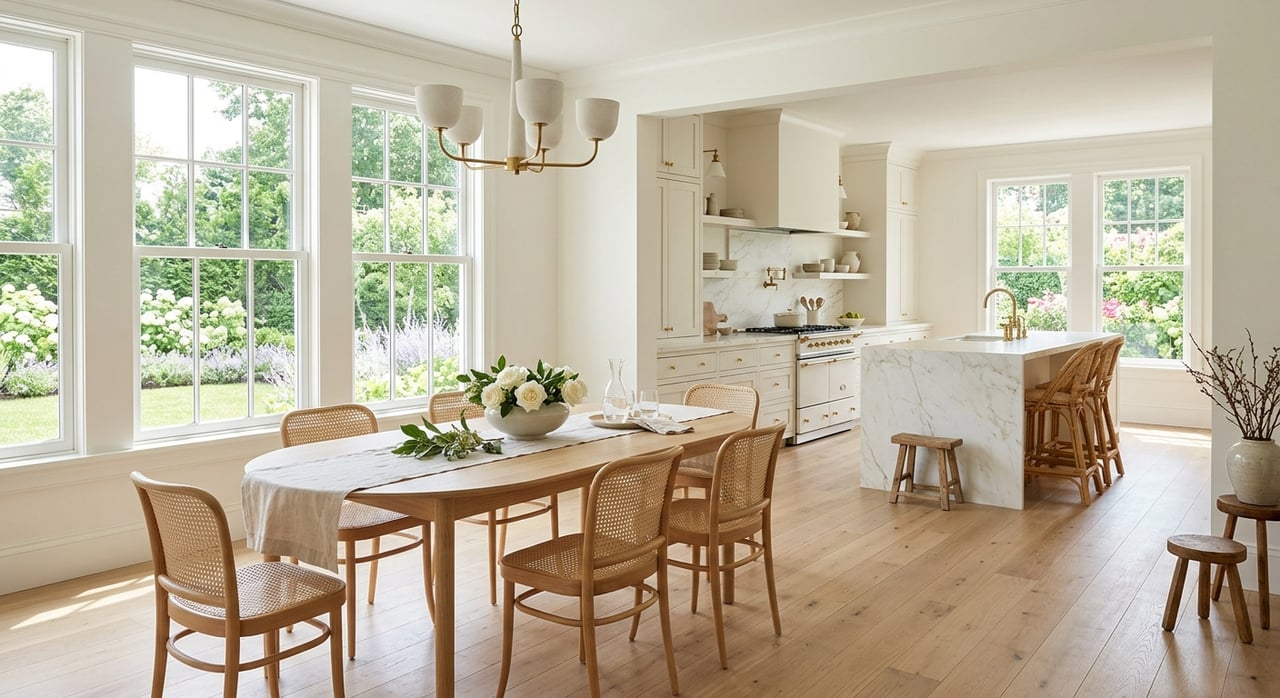
For antique properties, that often means emphasizing proportion, craftsmanship, natural light, period detail, and the relationship between the house and the land. Strong visuals and a polished presentation can help a buyer appreciate what makes the home distinct before they ever step inside.
If your property is located in one of Southbury’s historic districts, exterior work visible from a public street requires a Certificate of Appropriateness. That local review process is an important part of planning any exterior change.
At the same time, Southbury states that its historic district commissions do not control interior arrangements or use, and they have no jurisdiction over paint color. That can give owners flexibility for many interior updates while still preserving the public-facing historic character of the district.
For buyers considering improvements, this distinction is useful. It means you can often modernize interior spaces for daily living while taking a more careful approach to street-visible exterior work.
Some owners may also benefit from Connecticut’s Historic Homes Rehabilitation Tax Credit. The state says homeowners may apply for a 30% return of up to $30,000 for rehabilitation of a historic home listed on the State or National Register.
To qualify, the home must be your primary residence and you must incur at least $15,000 in qualifying rehabilitation costs. The program is intended to preserve distinctive features, and the state says repair is preferred over replacement.
Outbuildings such as barns and garages can also qualify when they contribute to the home’s historical significance. For the right property, this can be an important part of the renovation planning process.
Whether you are buying to restore, renovating before a sale, or planning long-term ownership, Connecticut preservation guidance points to a few consistent principles. The goal is usually to retain historic character, avoid guesswork in reconstruction, repair deteriorated features where possible, and make additions compatible in scale, massing, and materials.
That does not mean a home must remain frozen in time. It means updates usually work best when they respect the structure’s original design rather than compete with it.
For many owners, that is good news. Thoughtful improvements can support modern living while protecting the details that made you fall in love with the property in the first place.
Buying and selling antique homes along the Antique Trail is rarely a one-size-fits-all process. These properties ask better questions of everyone involved, from buyers reviewing lead disclosures and septic records to sellers preparing documentation and positioning the home with care.
In Middlebury and Southbury, the appeal is real. So are the details. When you approach these homes with clear information, thoughtful presentation, and respect for what makes them special, you put yourself in a much stronger position to move forward with confidence.
If you are preparing to sell an antique or historic home and want a polished, high-touch strategy that respects both character and value, Elizabeth Altobelli can help you position your property with care.
Stay up to date on the latest real estate trends.
With extensive experience and expertise, Elizabeth is well-equipped to navigate this complex market, negotiating with her client's best interests in mind. She holds great reverence for the successful family business, which led to her joining William Raveis.
Get In Touch With Me To Learn More
Elizabeth Altobelli
2525 Post Road Southport, CT 06890