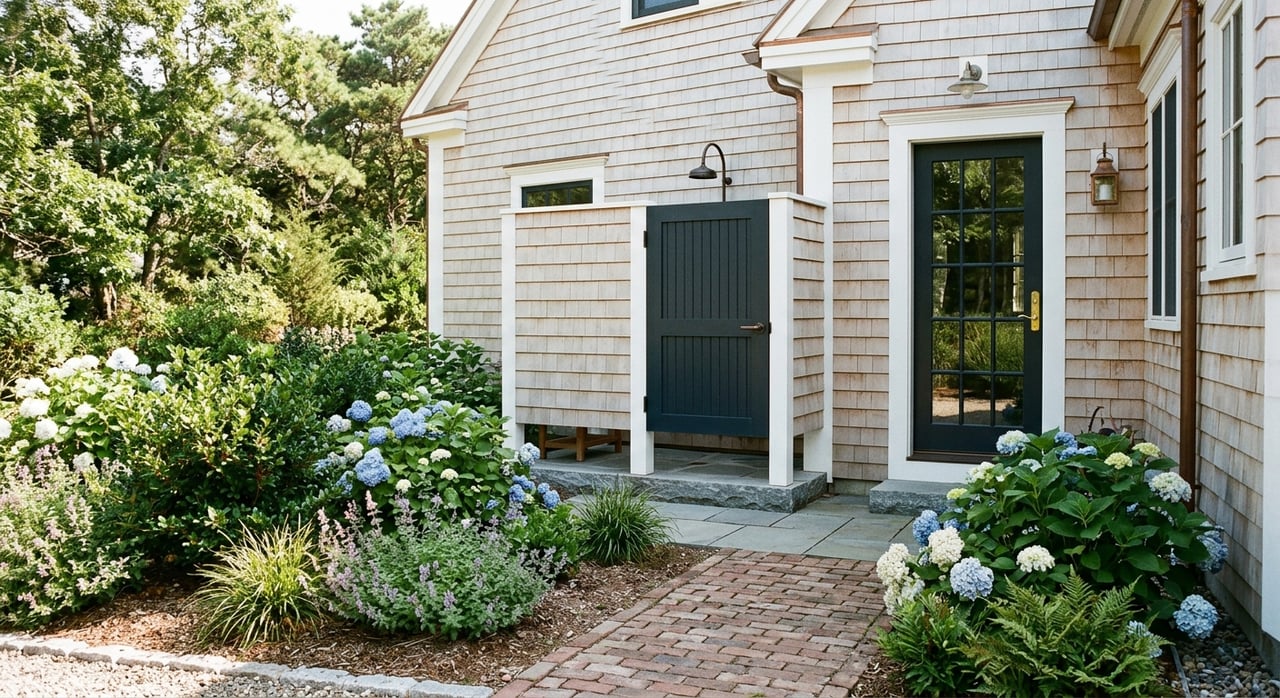
Selling Your Southport Waterfront Home to Out-of-Area Buyers
April 16, 2026
April 16, 2026
If you are selling a waterfront home in Southport, your best buyer may not live nearby. In a coastal market where lifestyle, design, and location matter as much as square footage, many serious buyers narrow their shortlist online long before they book a showing. That means your marketing has to do more than announce a listing. It needs to tell a compelling story, answer key waterfront questions, and give remote buyers a reason to act. Let’s dive in.
Southport offers a very specific kind of coastal appeal. Fairfield planning materials describe Southport Village as having the character of an old colonial waterfront, while Southport Harbor is noted as one of the most historic and scenic locations on the Connecticut coast. With Southport Beach near the mouth of Sasco Creek and the Mill River shaping the harbor before meeting Long Island Sound, the setting itself is a major part of a home’s value.
For out-of-area buyers, that identity matters. They are not just comparing a house to another house. They are comparing a complete lifestyle offering, including harbor views, boating activity, beach access, village character, and everyday convenience.
Another major advantage is connectivity. Southport station on Metro-North’s New Haven Line gives buyers rail access to Grand Central and Harlem-125th Street, which helps position a waterfront home as both a primary residence and a New York metro retreat.
Out-of-area buyers usually make decisions in stages. First, they decide whether a property looks worth serious attention. Then, if the listing answers enough questions and creates enough excitement, they decide whether it is worth traveling to see in person.
That pattern lines up with national buyer behavior. NAR buyer research found that 43% of buyers started their search online, all buyers used the internet during their search, and 69% used mobile or tablet devices. Buyers spent a median of 10 weeks searching and viewed a median of seven homes, including two viewed online only.
For sellers, that has one clear takeaway. If your online presentation is average, remote buyers may never make it to the showing stage. If your listing is polished, detailed, and easy to understand from a distance, you have a better chance of attracting high-intent interest quickly.
Remote buyers need more than beautiful photos. They want enough clarity to picture daily life, evaluate the property’s fit, and decide whether to move forward.
According to NAR’s home buyer snapshot, some of the most useful website features are photos, detailed property information, and floor plans. That is especially important for waterfront homes, where buyers often care about the relationship between interior spaces and the setting outside.
In Southport, the most important details often include:
When those details are missing, buyers are left guessing. When they are presented clearly, your home feels more credible, more valuable, and more worth the trip.
In a luxury waterfront segment, presentation is not a bonus. It is part of the sales strategy.
NAR’s 2025 staging report found that 83% of buyers’ agents said staging made it easier for a buyer to visualize a property as a future home. For a Southport waterfront listing, that matters because remote buyers need help connecting the home’s rooms, light, views, and outdoor areas into one clear lifestyle picture.
Immersive media can also help bridge the distance. NAR’s guidance on AR and VR notes that immersive tours let buyers experience layout and ambiance without being there in person. For buyers relocating from outside the area or shopping for a second home, that kind of access can move a property from passive interest to active consideration.
A generic listing package rarely does justice to a waterfront property. In Southport, the strongest campaigns usually combine design-forward presentation with location storytelling.
That can include:
This matters because Southport’s appeal is not just inside the walls. Fairfield planning and coastal materials emphasize the harbor, shoreline setting, and historic village character, so the marketing should make those location-based strengths visible rather than assume buyers already know them.
Out-of-area buyers often do not know Southport the way local buyers do. That means your listing needs to translate the location into practical value.
Instead of relying on broad luxury language, strong marketing should explain why Southport feels distinct. It should connect the home to the area’s boating activity, scenic waterfront setting, beach access, and rail connection. Those are concrete features that help remote buyers understand what living there could actually look like.
This is where thoughtful copy matters. A waterfront home in Southport can be positioned as a coastal property with village character and commuter access, which is a very different proposition from a generic shoreline listing.
Southport waterfront homes are not a local-only product. The location and transit access suggest clear appeal to buyers from the New York metro area and other regional markets who value a waterfront setting with easier access back to the city.
Buyer profile data also helps explain why precise targeting matters. NAR’s 2025 homebuyer profile shows that 79% of buyers were repeat purchasers, 30% of repeat buyers paid all cash, and 91% of sellers used an agent. NAR also reports that cash purchases are especially common among vacation-home and investment buyers, which is relevant in a waterfront segment that often attracts well-capitalized buyers.
That does not mean every out-of-area buyer is paying cash. It does mean your marketing should be built to reach discerning buyers who are used to evaluating premium properties quickly and expect a high level of presentation.
One of the biggest mistakes in waterfront marketing is waiting too long to address due diligence topics. Remote buyers are often cautious about coastal property details, especially if they are comparing homes across multiple markets.
Flood information is one of the first issues many buyers want clarified. FEMA’s Flood Map Service Center is the official public source for flood hazard information, and FEMA notes that homes in high-risk flood areas with government-backed mortgages are required to carry flood insurance.
In Southport, buyers may also ask about harbor uses, water access, moorings, shoreline rules, and related coastal considerations. That is not surprising given Fairfield’s coastal planning framework and harbor-management focus. When your listing anticipates those questions instead of sidestepping them, buyers can evaluate the opportunity with more confidence.
Southport is a selective market, which makes strategy even more important. Zillow’s Southport home value data placed the home value index at $1,466,770 as of March 31, 2026, with 11 homes for sale. The same source cited Redfin data describing the market as very competitive, with a February 2026 median sale price of $3.7 million and median days on market of 23.
In a market like that, broad exposure alone is not enough. Sellers benefit most when presentation is elevated, information is complete, and the property is distributed in a way that reaches buyers beyond the immediate local area.
If you are preparing to market a Southport waterfront home to out-of-area buyers, focus on the pieces that reduce friction and build confidence fast.
Start with the basics:
The goal is simple. You want buyers to understand the property, trust the presentation, and feel motivated to take the next step.
Marketing a Southport waterfront home to out-of-area buyers requires more than listing exposure. It takes a thoughtful mix of preparation, visual storytelling, local knowledge, and strategic digital reach. When those pieces come together, your home is better positioned to stand out in a competitive coastal market and attract serious buyers from beyond Fairfield County.
If you are thinking about selling and want a more polished, presentation-driven strategy, Elizabeth Altobelli offers a hands-on approach designed to elevate how your home is seen, understood, and sold.
Stay up to date on the latest real estate trends.

With extensive experience and expertise, Elizabeth is well-equipped to navigate this complex market, negotiating with her client's best interests in mind. She holds great reverence for the successful family business, which led to her joining William Raveis.
Get In Touch With Me To Learn More

Elizabeth Altobelli
2525 Post Road Southport, CT 06890