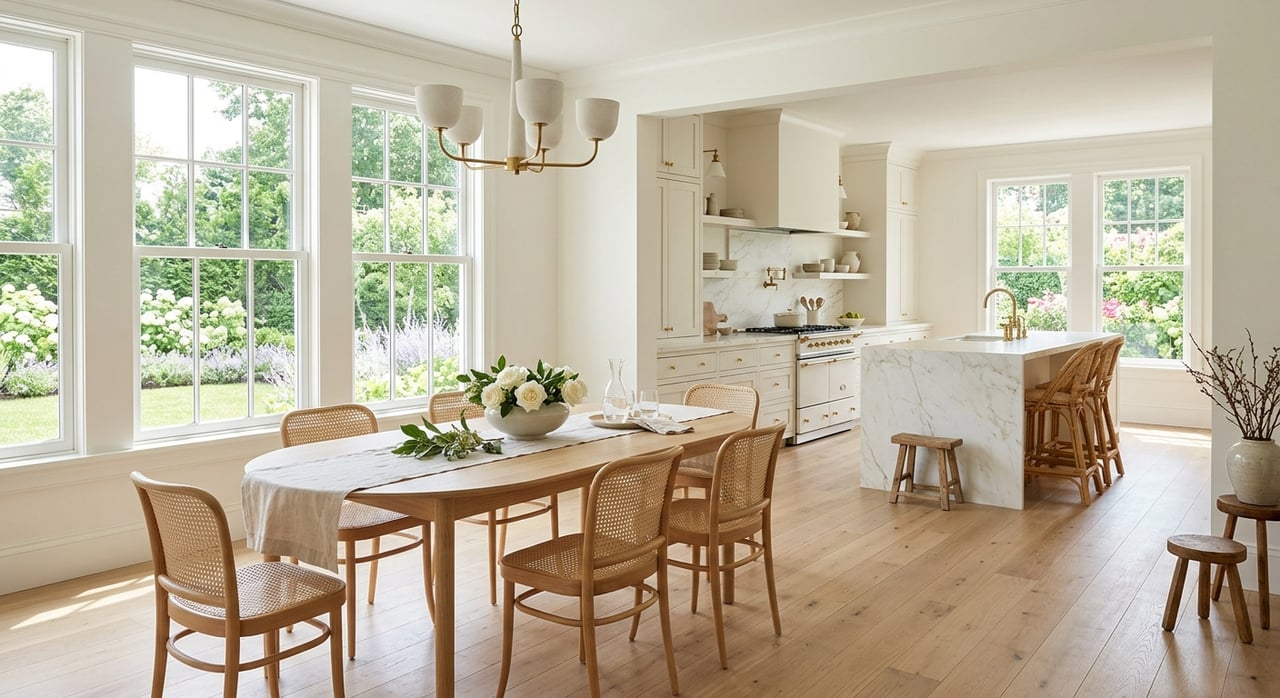
Does Staging Westport Luxury Homes Help Sellers Stand Out?
May 7, 2026
May 7, 2026
If your Westport home already has great bones, a strong location, and standout architecture, you might wonder whether staging really makes a difference. In a market where homes often make their first impression online, the answer is yes. Thoughtful staging helps buyers understand the lifestyle your property offers, see its value more clearly, and decide faster whether they want to visit in person. Let’s dive in.
Westport is not a one-note housing market. The town includes beachfront properties, riverfront homes, historic residences, walkable in-town neighborhoods, and larger-lot estates, all in a community with a 2025 median home value of $1,245,200 and a median household income of $250,001.
Public market data also points to a high-value environment where presentation can influence momentum. Realtor.com reports a median listing price of $2.90M, 114 homes for sale, a median 38 days on market, and a 98% sale-to-list-price ratio, while Redfin’s March 2026 snapshot shows a median sale price of $2.0M and 101 days on market. Even with different methodologies, both snapshots reinforce the same idea: in Westport, how a home shows matters.
Staging is not just about making a house look pretty. It helps buyers picture how they would live in the space, which is especially important in luxury homes where layout, scale, and flow can vary widely.
According to the 2025 Profile of Home Staging from NAR, 83% of buyers’ agents said staging made it easier for buyers to visualize the property as a future home. The same report found that buyers were more likely to feel a staged home had value when the décor matched their taste, and more willing to walk through a home they first saw online.
That online first impression matters. NAR’s 2024 buyer trends report found that 41% of buyers started by looking online for properties, and 52% said they found the home they purchased online. For internet users, photos were the most useful website feature for 66% of buyers, and floor plans were also highly useful at 47%.
In a luxury market, sellers usually care about two things most: maximizing value and avoiding unnecessary time on market. Staging can support both goals when it is done with intention.
NAR’s 2025 staging report found that 29% of agents said staging led to a 1% to 10% increase in the dollar value offered. It also found that 49% said staging reduced time on market. No strategy guarantees a result, but these findings show why staging remains a smart part of the listing plan.
One reason staging matters so much in Westport is that the town’s housing stock is so varied. Westport’s history includes colonial homesteads, maritime neighborhoods, country estates, seaside cottages, and homes in areas with historic-district or village-district review in Westport Center.
That means one-size-fits-all staging often misses the mark. A waterfront contemporary, a classic shingle-style home, and a historic in-town property should not all be styled the same way. The most effective staging respects the home’s architecture, scale, and setting so the presentation feels natural rather than forced.
If you are deciding where to focus your time and budget, some rooms matter more than others. NAR found that buyers’ agents ranked the living room as the most important room to stage, followed by the primary bedroom and kitchen.
Sellers’ agents reported a similar pattern in what they staged most often:
These spaces often shape a buyer’s emotional reaction to the home. If they feel clean, calm, and well-proportioned, the rest of the property tends to land more strongly.
For waterfront and shoreline properties, the goal is usually to protect the view and reinforce indoor-outdoor living. Furniture should feel proportional and low enough to keep sightlines open toward the water, yard, or terrace.
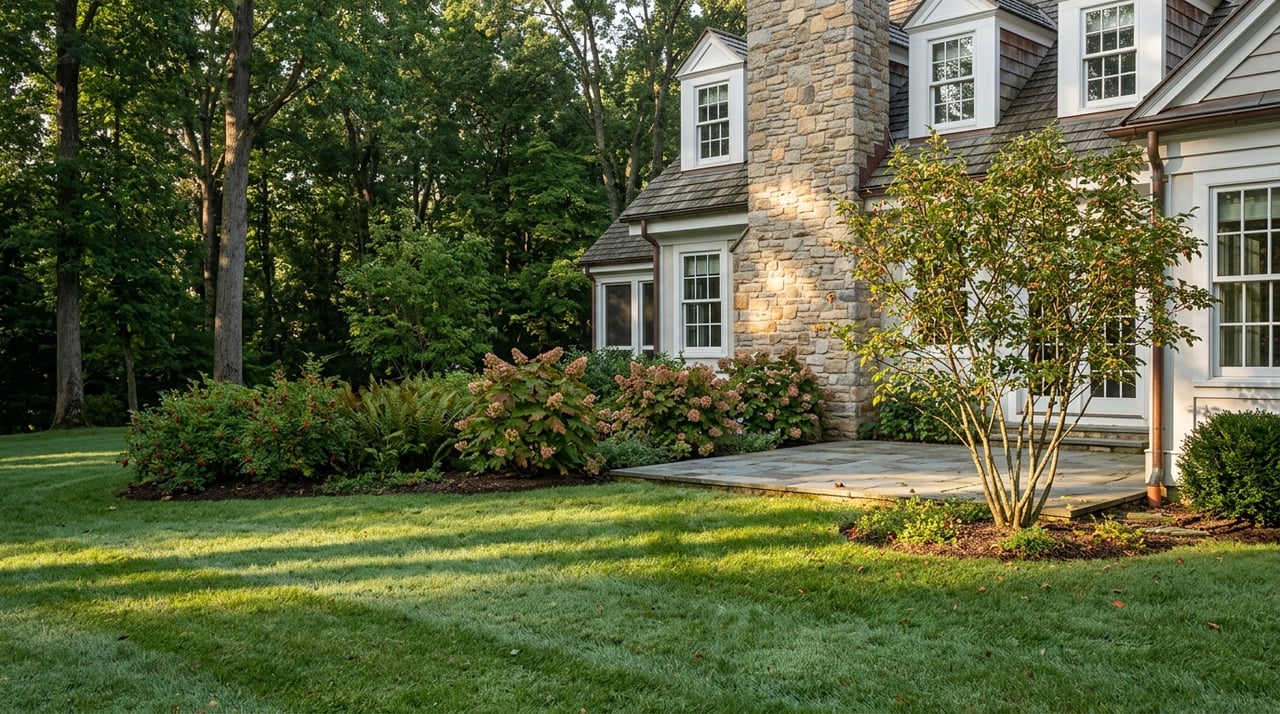
Outdoor spaces matter just as much here. A staged terrace, pool area, or seating zone can help buyers connect the interior of the home to the exterior experience, which is often a major part of the value in Westport shoreline properties.
In-town and downtown properties often benefit from staging that improves flow and brightens daily living spaces. The goal is to make the layout feel easy, efficient, and polished, especially in entries, living rooms, and kitchens.
In older or architecturally distinctive homes, staging should support the home’s original character. Clean lines, scaled furnishings, and restrained styling often work better than trend-heavy décor that competes with the architecture.
Larger homes bring a different challenge. Oversized rooms can feel empty, awkward, or disconnected if they are under-furnished or filled with pieces that are too small for the scale.
In these homes, staging helps define purpose. A formal room becomes a true entertaining space, a great room gains symmetry and balance, and the property starts to feel intentional from the foyer to the grounds.
The most powerful staging shifts are often simple. They are not about adding more. They are about removing distractions and clarifying how the home lives.
Common examples in Westport luxury listings include:
These are the kinds of changes that help buyers connect emotionally while also understanding the home more clearly.
Before furniture and styling come into play, the basics matter most. NAR reports that the most common prep recommendations were decluttering, whole-home cleaning, and improving curb appeal.
For sellers, that usually means focusing on essentials first:
These steps create the clean canvas that luxury staging needs. Without them, even the best photography and design choices will have less impact.
In Westport, staging should not be treated as a separate item on a checklist. It works best when it is planned alongside photography, video, floor plans, and aerial visuals as one presentation system.
NAR’s 2025 staging profile found that buyers’ agents viewed photos, physical staging, videos, and virtual tours as important, with photos leading the way. For sellers’ agents, photos and videos were also major priorities. That lines up with how today’s buyers shop: they often decide whether a home is worth touring based on what they see online first.
For luxury listings, this is where design-forward strategy becomes a real advantage. If the staging plan is built with the camera in mind, the final listing images feel more cohesive, the story of the home is easier to understand, and the property can make a stronger first impression.
Some Westport properties offer features that are hard to explain in still photos alone. Waterfront orientation, lot depth, mature grounds, rooflines, terraces, and a home’s relationship to the surrounding area can all be clearer from above.
NAR notes that drone photography and video can help highlight landscape, outdoor features, and location, and reports that 52% of REALTORS use drone marketing. In a town with shoreline properties, larger lots, and varied topography, aerial visuals can be especially effective when used thoughtfully and in compliance with applicable rules.
Floor plans also matter because they help buyers understand space before they tour. In a luxury home with formal rooms, additions, or multiple living zones, a floor plan can answer questions that photos alone cannot.
For many sellers, yes. NAR reports a median staging-service cost of $1,500, compared with $500 when the seller’s agent handled staging.
In a market like Westport, where listing prices are often in the millions, staging is usually less about expense and more about execution. If a well-prepared home attracts stronger early interest, supports better online engagement, and helps buyers grasp the value faster, that investment can be meaningful.
In Westport, staging is not about masking flaws or adding trend-driven décor. It is about presenting the home with discipline, clarity, and respect for what makes it special.
When staging is tailored to the property type, aligned with the home’s architecture, and coordinated with photography and video, it can transform how buyers respond. In a market where presentation shapes perception from the first click, that can have a real effect on both speed and outcome.
If you are preparing to sell, the goal is not simply to make your home look finished. The goal is to make it feel unmistakable in the market.
If you are thinking about selling in Westport and want a presentation strategy built around your home’s architecture, setting, and buyer audience, Elizabeth Altobelli offers a white-glove, design-driven approach from prep to sold.
Stay up to date on the latest real estate trends.
With extensive experience and expertise, Elizabeth is well-equipped to navigate this complex market, negotiating with her client's best interests in mind. She holds great reverence for the successful family business, which led to her joining William Raveis.
Get In Touch With Me To Learn More
Elizabeth Altobelli
2525 Post Road Southport, CT 06890