
Living in Southport CT: Everyday Coastal Village Life
February 5, 2026
February 5, 2026
Picture your morning starting with a shoreline walk and coffee on a tree-lined street. If you want a Gold Coast village where your day feels simple and connected, Southport is worth a close look. You get historic character, water access, and a compact center that keeps daily errands easy. In this guide, you’ll learn what everyday life feels like, the tradeoffs to consider, and how to decide if it fits your goals. Let’s dive in.
Southport sits on the Long Island Sound at the mouth of the Saugatuck River within the town of Fairfield. You’ll notice a small, walkable core with shops, restaurants, and a train station that anchors the main streets. The setting is classic New England coastal, with a quieter pace than busier nearby centers. Many residents choose Southport for its blend of village-scale living and waterfront proximity.
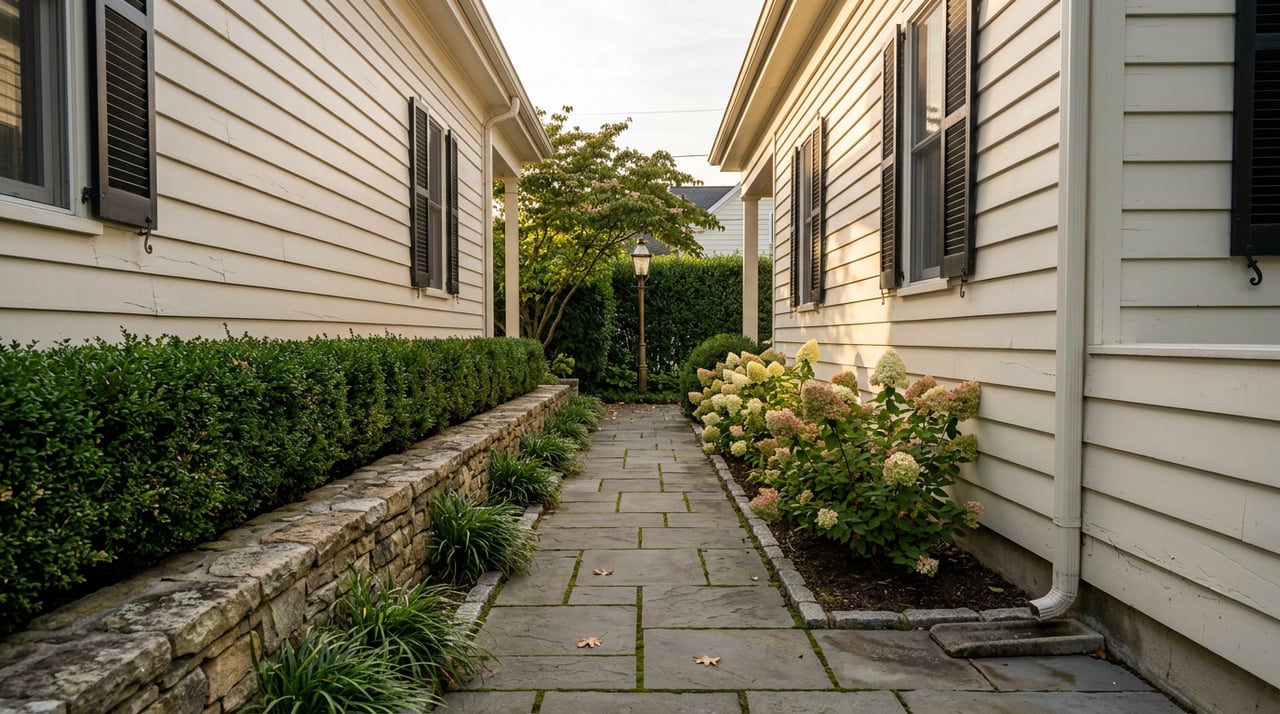
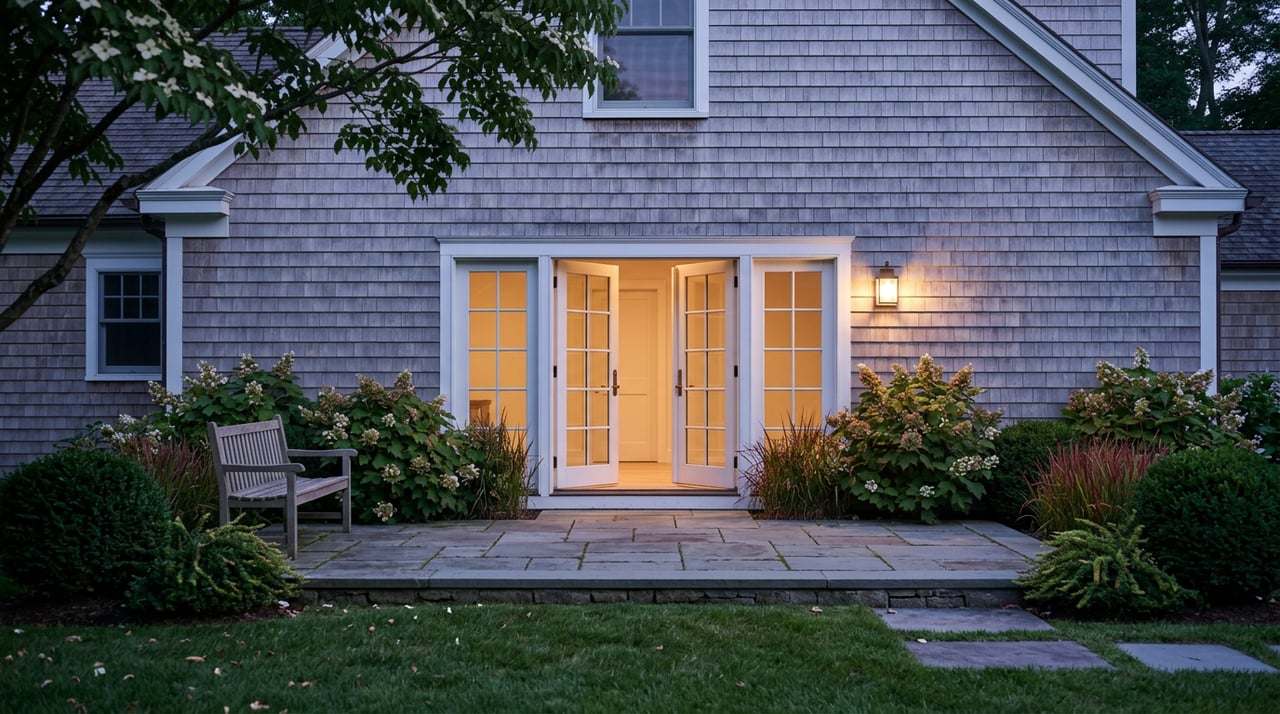
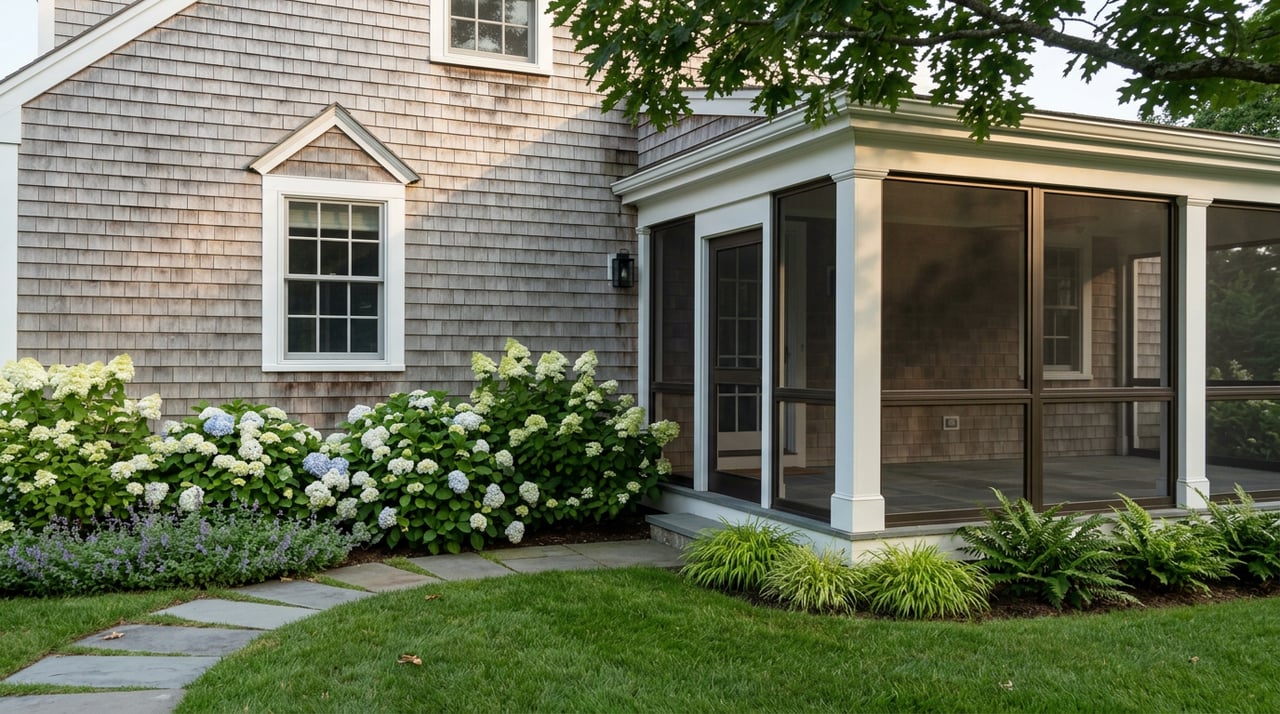
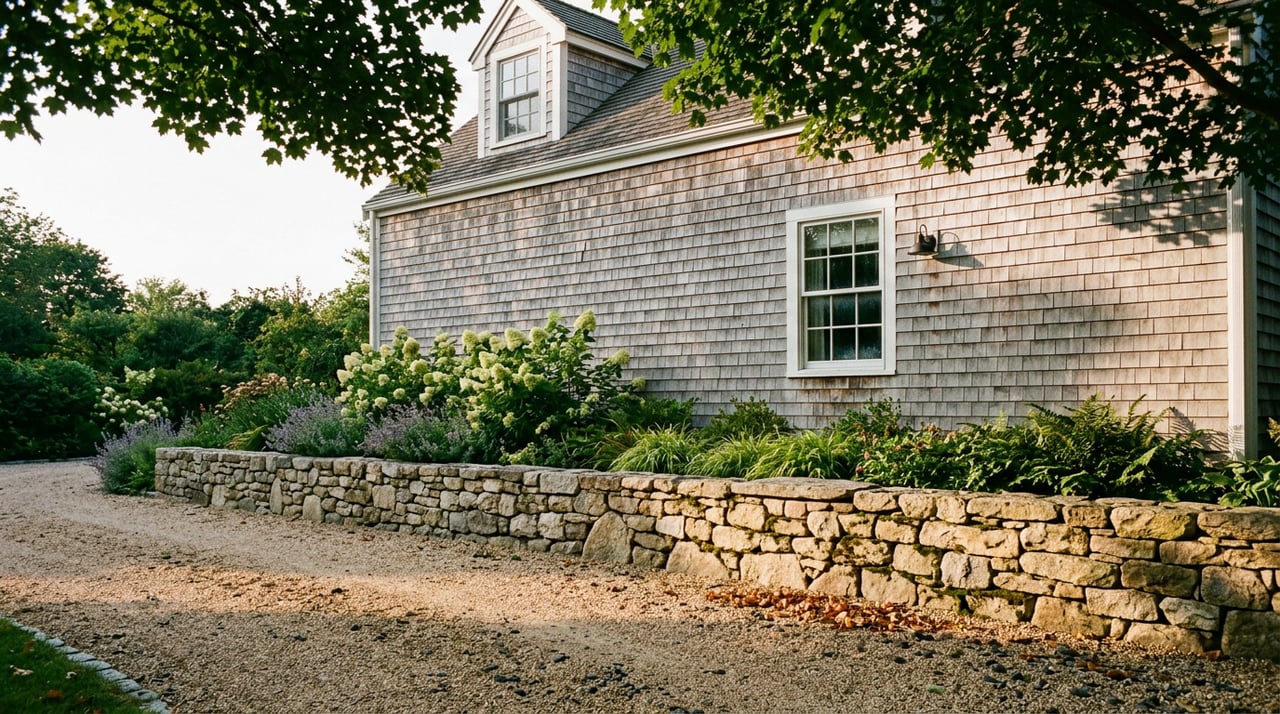
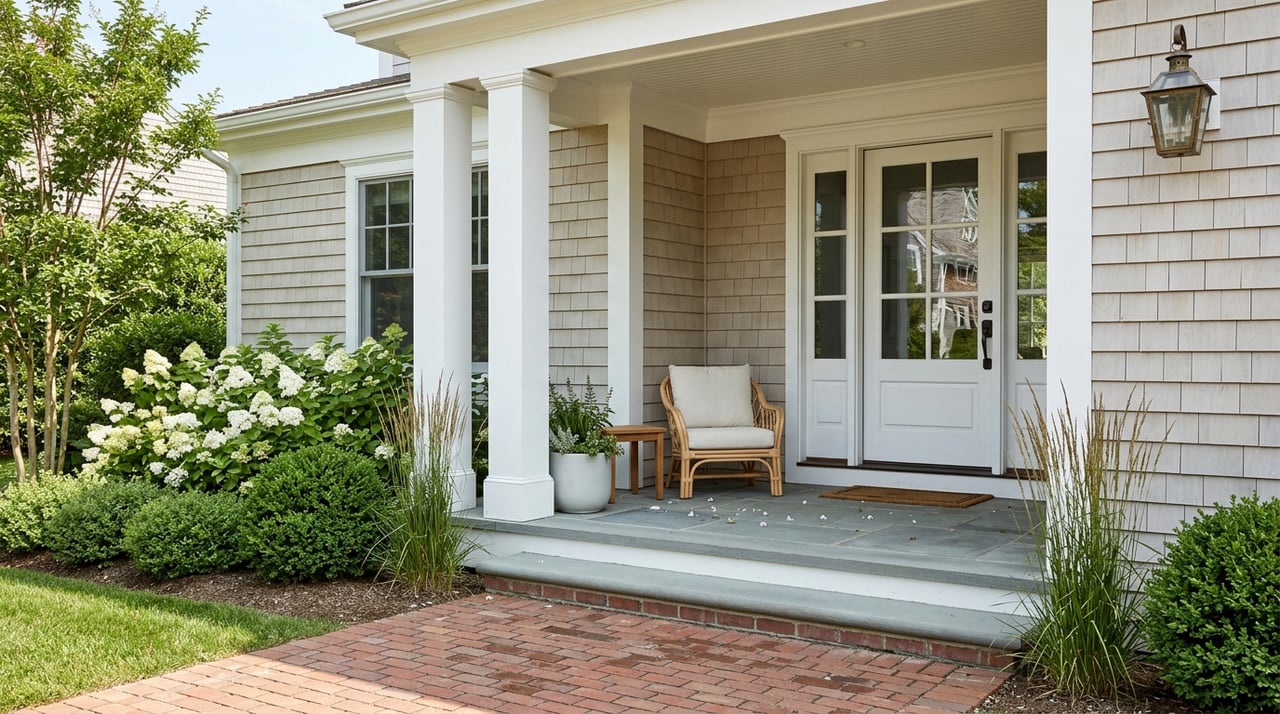
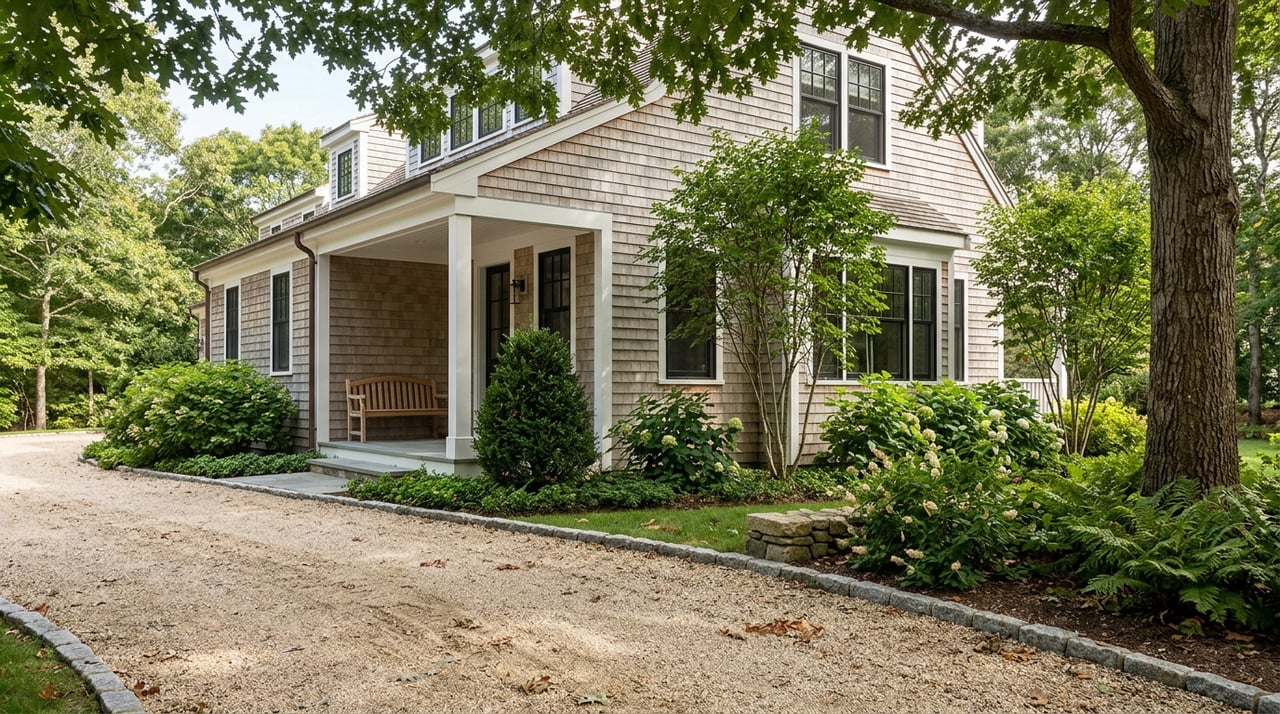
Southport has a recognized historic core with numerous 18th- and 19th-century houses. You will see Colonial, Federal, Victorian, and Shingle-style architecture on tree-lined streets near the harbor and village center. This heritage shapes the village’s look and feel and is a major part of its appeal.
If you own in or near the historic district, exterior changes may go through local design review. That process supports the village’s character but can add time to renovations. If you plan updates, it helps to understand guidelines early and build in time for approvals.
Most homes here are detached single-family residences, ranging from historic cottages to larger waterfront estates. You also find mid- to late-20th-century houses, a small number of condominiums, carriage houses, and occasional in-fill new construction. Options near the water or the village core are limited, and inventory tends to be tight.
Southport often commands higher price points within Fairfield because of waterfront access and historic appeal. Waterfront and harbor-front properties carry significant premiums. Smaller historic cottages or select village condos can provide a relatively lower-cost entry to the area. Exact pricing and days-on-market shift with the MLS, but you can expect low supply to be a consistent theme.
Daily life feels easy when you can stroll to what you need. The village core clusters small grocery and cafe options, restaurants, specialty shops, and services around the train station and main streets. You also find community anchors like a local library branch and civic organizations. The scale is intimate, designed for short walks and simple routines rather than big-box destinations.
You can handle everyday errands on foot, then reach larger shopping and services in greater Fairfield within a short drive. The rhythm suits people who value calm, convenience, and a sense of place.
The Saugatuck River and Long Island Sound shape how you spend free time. Boating, kayaking, paddleboarding, and peaceful shoreline walks are common. Marinas buzz in warmer months, and harbor views are a year-round backdrop.
Public beaches in the Fairfield area offer swimming and seasonal amenities in summer. Smaller harbor parks and promenades give you quick walks and scenic outlooks any time of year. Nearby parks and coastal trails add simple weekend options without a long drive.
Southport’s Metro-North station on the New Haven Line provides rail access to New Haven and Manhattan’s Grand Central Terminal. Many commuters describe the ride to Manhattan as roughly an hour to an hour and a half depending on the train and time of day. If you rely on rail, check current timetables for express and local options that fit your schedule.
Drivers use I-95 and local state routes for coastal travel and trips to neighboring towns. Commute times by car vary widely with traffic and route choice. Local bus and shuttle options are more limited than in major cities, so many residents depend on the train, bicycles, rideshare, or personal vehicles for daily mobility.
Police, fire, and emergency services come from the Town of Fairfield. You have access to nearby hospitals, clinics, and primary care throughout Fairfield County. Families attend schools within Fairfield Public Schools based on district boundaries, and the town includes private-school options and a local university. For planning purposes, confirm assignments and transportation directly with the school district.
Every village has strengths and tradeoffs. Southport’s are straightforward and manageable when you know them in advance.
Parts of Southport lie within FEMA flood-hazard areas because of coastal and river proximity. If you buy with a mortgage in a flood zone, you will likely need flood insurance through the National Flood Insurance Program or private carriers. Premiums and deductibles are ongoing costs that factor into your budget. It pays to review flood maps, elevation certificates, and drainage during due diligence, especially for properties near the harbor or river.
Homes in the historic area may be subject to exterior design guidelines. Zoning rules also govern additions, accessory structures, and conversions. When you plan projects, build time into your schedule for permits and approvals. This supports the village’s character and helps protect property values over the long term.
Coastal access, historic ambiance, and village convenience add up to a higher cost of living than many inland neighborhoods. Consider property taxes, homeowners insurance, flood premiums where applicable, and ongoing maintenance needs for older homes. If you plan upgrades, set a budget that reflects both improvement goals and realistic permitting timelines.
You might feel at home here if you want a walkable coastal village with rail access and a quieter daily rhythm. It is ideal if you value historic streetscapes, proximity to the water, and a smaller-scale business district. You also may appreciate Southport if you are downsizing and prioritizing convenience and atmosphere.
If you prefer urban nightlife, 24-hour amenities, or expansive acreage at lower price points, you may find a larger town center or inland neighborhood a better fit. Knowing this early helps you focus your search and avoid second-guessing later.
A thoughtful plan saves time and money in a premium, low-inventory market. You benefit from guidance on pre-offer due diligence, historic and zoning rules, and the value of potential upgrades. If you plan to sell a Southport property, a design-forward listing strategy can showcase historic details and water proximity in a way that commands attention and drives stronger outcomes.
With a boutique, presentation-led approach, you can prepare, position, and market a one-of-a-kind home to match buyer expectations for this coastal village setting.
If Southport’s blend of coastal charm and everyday ease speaks to you, let’s talk through your plans and timing. Whether you are buying, downsizing, or preparing a historic home for market, you deserve a calm, well-managed process with clear next steps. Reach out to Elizabeth Altobelli to discuss your goals and local options.
Stay up to date on the latest real estate trends.

With extensive experience and expertise, Elizabeth is well-equipped to navigate this complex market, negotiating with her client's best interests in mind. She holds great reverence for the successful family business, which led to her joining William Raveis.
Get In Touch With Me To Learn More
Elizabeth Altobelli
2525 Post Road Southport, CT 06890