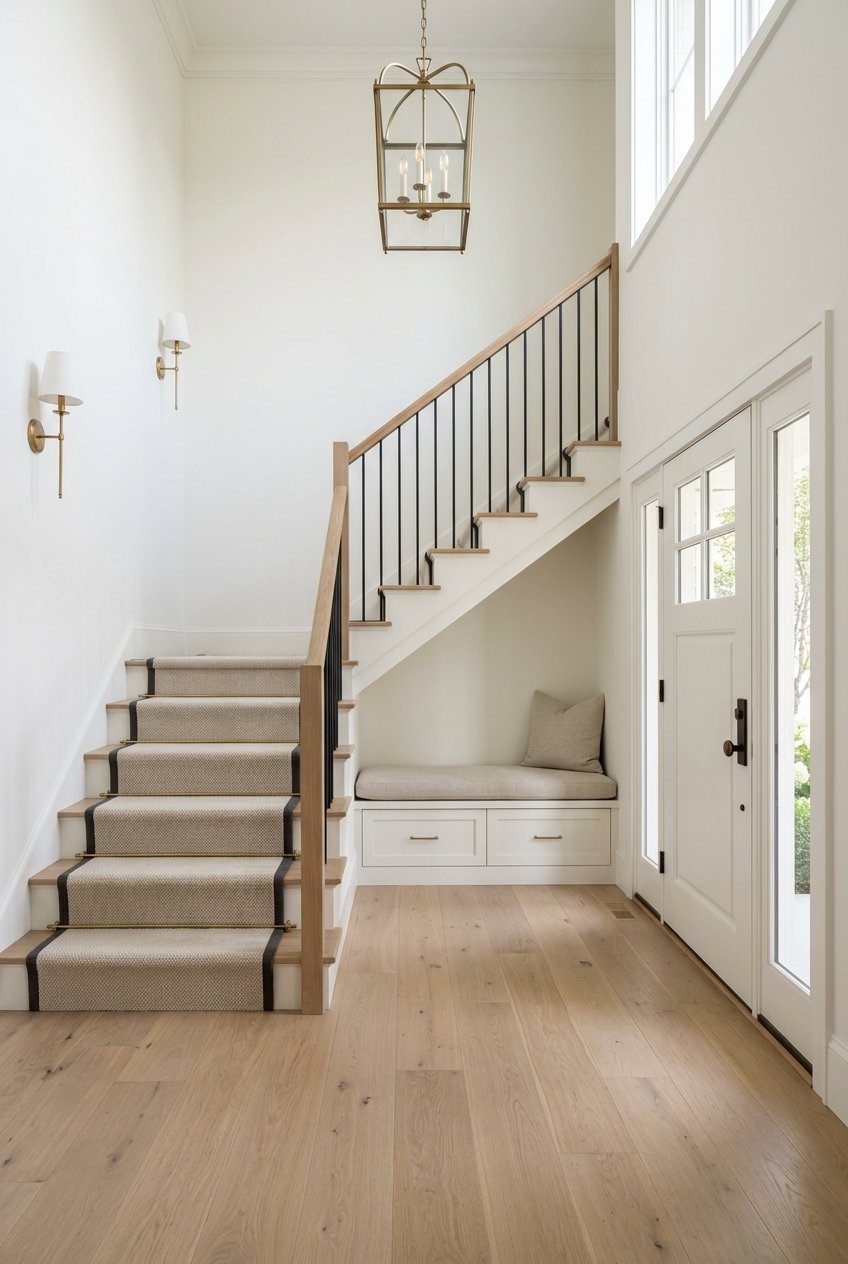
Selling New Construction Homes In Westport With Confidence
July 2, 2026
July 2, 2026
If you are selling a new construction home in Westport, a great build alone is not enough. In a market where pricing can climb quickly and buyers compare every finish, detail, and photo, confidence comes from smart positioning before your home ever goes live. This guide will show you how to price, present, and launch a Westport new construction listing with more clarity and stronger market appeal. Let’s dive in.
Westport remains a high-price, active market for sellers, but the numbers can look different depending on which data you review. Realtor.com’s May 2026 snapshot showed a median listing price of $3.395 million, 148 homes for sale, a median 29 days on market, and a sale-to-list ratio of 100%. Redfin’s May 2026 data showed a median closed-sale price of $2.224 million, 49 days on market, and a 102.3% sale-to-list ratio.
For a new construction home, that gap matters. You do not want to benchmark your property against older homes in a lower price band if your home competes more directly with recent builds or major rebuilds. In Westport, true comparable sales are one of the most important parts of a confident pricing strategy.
Westport also continues to see visible reinvestment in residential property. The town reported that its 2025 Grand List increase included a 1.2% rise in real estate assessment, driven in part by continued new construction and renovation activity. That tells you new builds are not unusual here, which means buyers often arrive with clear expectations.
In higher-priced sections of town, pricing pressure becomes even more specific. Realtor.com showed median listing prices of $4.774 million in Greens Farms and $4.399 million in Compo-Owenoke Historic District. In these price ranges, finish quality, presentation, and neighborhood-specific positioning can shape your result as much as square footage.
New construction homes often deserve a different lens than resale homes. A newly built property may offer better systems, cleaner layouts, stronger efficiency, and a more current finish package than an older home nearby. If you price by broad neighborhood averages alone, you can miss what buyers are actually paying for.
Westport’s Assessor notes that fair market value is influenced by location, condition, age, size, and quality of improvements. For new construction, that is especially relevant. Quality of execution can directly affect what buyers are willing to pay.
When pricing your home, focus on comparables that match the home’s real competitive set, such as:
This is where local interpretation matters. In Westport, a polished coastal-style build in one area may attract a different buyer response than a similarly sized home elsewhere. Pricing with confidence starts with knowing exactly where your home belongs in the market.
Buyers are not only paying for square footage. Current research suggests many are willing to trade some size for better function, stronger finishes, and more efficient living. That is good news if your home is thoughtfully designed and move-in ready.
According to 2025 buyer trade-off data from NAR, buyers place extra value on features like a modern kitchen, efficient insulation, upgraded HVAC, better lighting, improved appliances, whole-house or indoor air filtration, and backup power or solar storage. They also care about access to nature, trails, and parks.
AIA’s 2025 Home Design Trends Survey points in a similar direction. Open layouts, flexible floor plans, outdoor living spaces, and blended indoor-outdoor areas remain popular. For many Westport homes, that means the strongest buyer response often comes from timeless design choices rather than highly personal ones.
If you are preparing a new construction listing, the most marketable features often include:
Westport’s Building Department also encourages sustainable materials and practices, and the town recognizes green building projects that support sustainability and net-zero goals. That makes efficiency and durability even more relevant in local marketing.
Vacant new construction can look impressive in person and still feel flat online. Empty rooms often photograph colder and smaller than they really are. In a market where many buyers decide whether to schedule a showing based on media first, that can cost you momentum.
NAR’s 2025 staging research found that 83% of buyers’ agents said staging makes it easier for buyers to visualize a future home. The same research found that 29% said staging increased the dollar value offered by 1% to 10%, and 49% of sellers’ agents said staging reduced time on market.
That is why a strong Westport launch should feel complete from day one. For many luxury listings, the goal is not just to show rooms. It is to help buyers understand the home’s scale, purpose, and lifestyle.
The spaces that often deserve the most attention are:
These are the rooms where buyers most directly judge finish quality, flow, and proportion. If those spaces feel polished and easy to understand, your home is more likely to create pricing confidence.
In Westport, pre-market buzz is often a visibility and media exercise. Buyers are already screening homes through photos and video before they step inside. That means the home should be visually ready before broad distribution begins.
A strong new construction launch package may include:
NAR guidance also supports the importance of high-resolution photos and video tours. Buyers who are drawn in by the online presentation expect the in-person experience to match. In other words, your listing media should reflect the finished product at its best.
For Westport sellers, that supports a presentation-led strategy. A home that feels curated, finished, and easy to understand is often more compelling than one rushed to market a little too early.
One of the biggest mistakes in new construction sales is launching before the home is truly ready. In Westport, that means more than reaching practical completion. It also means aligning your launch with local permit and occupancy milestones.
Westport’s Building Department reviews plans, issues residential permits, monitors construction, performs final inspections, and issues certificates of occupancy. The town states that a certificate of occupancy is required before actual occupancy. It also notes that new residential construction must submit blower-door test results before the final inspection.
That makes timing critical. If your punch list is still open, inspection items are still pending, or occupancy timing is unclear, buyers may hesitate. A cleaner launch usually creates less friction and stronger confidence.
Before listing, make sure you have clarity on:
In the luxury space, details matter. A polished launch often protects your pricing better than getting online a week or two too soon.
Not every Westport new construction home follows the same path. Some properties involve added layers of review that should be addressed before public rollout.
Westport’s Historic District Commission states that designated properties require a Certificate of Appropriateness for public-view exterior alterations, construction, or demolition, and no building permit can be issued without one. The town also maintains a 180-day demolition delay for structures that are 50 years old or older.
For waterfront or stream-adjacent parcels, Westport waterway-protection rules and Connecticut DEEP coastal-permit review can add another level of oversight for regulated activities. If your property falls into one of these categories, confirm that the relevant approvals and documentation are in order before launch.
This is not just an administrative issue. Clean permit history and organized documentation help buyers feel more comfortable moving forward.
Even with true new construction, disclosure still matters. In Connecticut, the residential property condition report generally applies when residential real property of four units or less is being sold.
The state form must be provided before a binder, contract, option, or lease with purchase option. If it is not furnished, the seller can owe a $500 credit at closing. The form also asks about topics such as flood hazard, historic districts, common-interest communities, leased equipment, and foundation issues.
For many new builds, federal lead-based paint disclosure does not apply because that requirement generally covers housing built before 1978. Still, that does not remove the need for the Connecticut property condition process where applicable.
A smooth listing experience depends on having your paperwork aligned with the home’s story. When your disclosures, permits, and marketing all support each other, buyers tend to move with more confidence.
A Westport new construction home is not just a structure. It is a complete product that buyers want to understand quickly. They want to see how the home lives, what makes it different, and why it deserves its price point.
That is why the strongest strategy often combines five things: accurate pricing, broad-appeal finishes, staging, polished media, and disciplined launch timing. Each piece supports the next. When one is missing, the listing can lose clarity.
In a market where listing prices are high and new construction remains a visible part of the local landscape, preparation can make a measurable difference. If you want to sell with confidence, the path is usually clear: price against true comparables, present the home beautifully, and launch only when the details are truly ready.
If you are preparing to sell a new construction home or major rebuild in Westport, Elizabeth Altobelli offers a design-forward, white-glove approach that helps you position your property with clarity, polish, and purpose.
Stay up to date on the latest real estate trends.
With extensive experience and expertise, Elizabeth is well-equipped to navigate this complex market, negotiating with her client's best interests in mind. She holds great reverence for the successful family business, which led to her joining William Raveis.
Get In Touch With Me To Learn More
Elizabeth Altobelli
2525 Post Road Southport, CT 06890