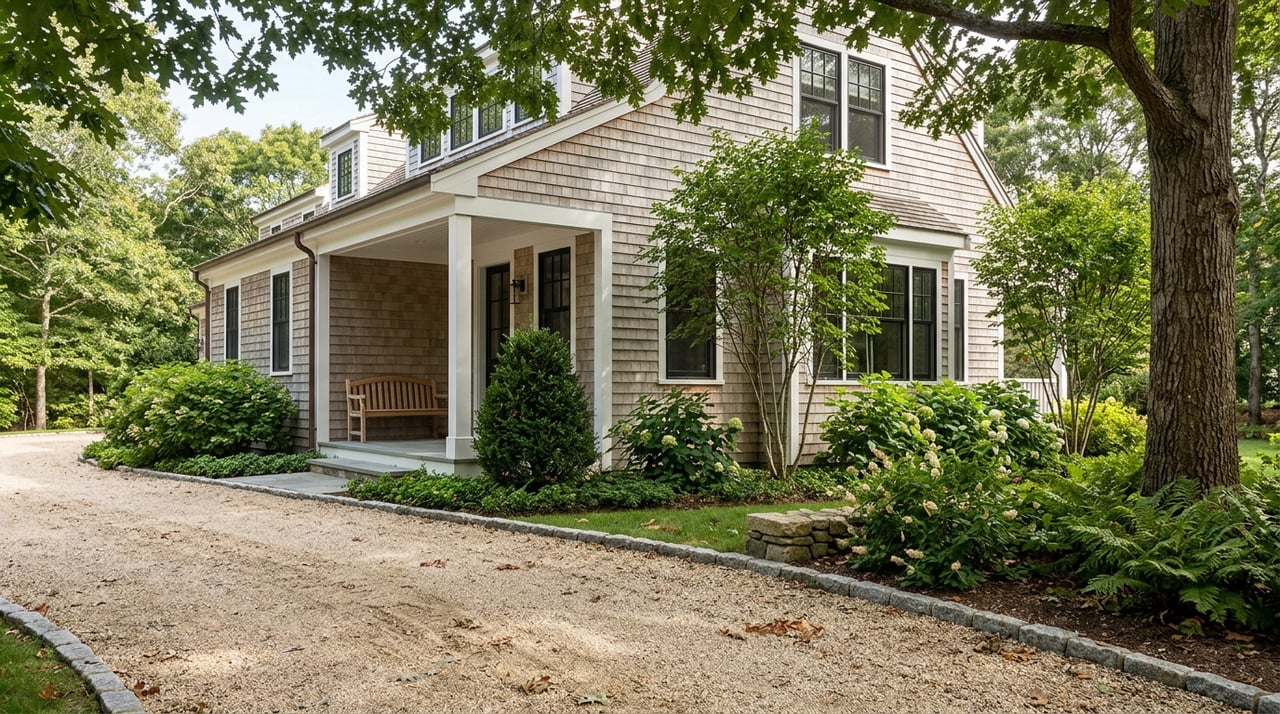
Westport Lifestyle Neighborhoods Guide: Beach to Backcountry
June 25, 2026
June 25, 2026
If you picture Westport as one kind of town, it is worth taking a closer look. In reality, Westport offers a wide spectrum of daily living, from beach days on Long Island Sound to walkable errands near downtown to quieter, larger-lot settings inland. If you are deciding where you fit best, understanding those differences can help you choose with more confidence. Let’s dive in.
Westport is a coastal town of 28,301 residents with an owner-occupied housing rate of 88.8% and a median owner-occupied home value of $1,405,200. The town is about 40 miles from New York City, and its housing ranges from modern coastal homes to walkable residences near downtown and larger-lot homes around transit and commerce.
That range is part of what makes Westport so appealing. Its history developed from maritime and farming settlements into shoreline resort areas, country estates, and later suburban neighborhoods. Today, areas such as Compo, Saugatuck, Green’s Farms, Coleytown, Old Hill, Long Lots, and Westport Center each carry a distinct sense of place.
If your ideal day starts with salt air, shoreline walks, or easy beach access, the coastal side of Westport may feel like home. This part of town tends to appeal to buyers who want lifestyle close at hand, not just inside the house but outside the front door.
The beach experience in Westport is not one-size-fits-all. Each shoreline area offers a slightly different rhythm, from active and social to lower-key and more private.
Compo Beach is Westport’s most amenity-rich town beach. It is a 29-acre park on Long Island Sound with a sand beach, boardwalk, pavilion, concession stand, volleyball courts, a skate park, and adjacency to Ned Dimes Marina.
For many buyers, that mix creates a built-in social and recreational lifestyle. You are not just near the water. You are near one of the town’s most active public shoreline spaces.
There are also practical rules to know. Parking emblems or daily fees apply from May 1 through September 30, and Compo daily passes are capped at 125 per day. If regular beach access is central to your plan, those details matter.
Old Mill Beach, Burying Hill Beach, and Canal Beach offer a different experience. Old Mill is only 1.8 acres, with limited parking, no restrooms or changing rooms, and no lifeguards. Canal Beach is a small sand-and-rock beach with a small parking area and views toward Long Island Sound and Cockenoe Island.
Burying Hill Beach is a 2.39-acre sand-and-rock beach with lifeguards in season, and town beach emblems are required through Labor Day. These settings can feel more low-key than Compo, which may suit buyers who prefer a quieter shoreline routine.
If you are drawn to beachside or waterfront property, the lifestyle benefits are clear, but so are the extra layers of planning. Westport maintains floodplain and flood-protection information, and the town GIS system can help review flood zones. The town also regulates waterways and wetlands through conservation rules.
In simple terms, waterfront living may come with more review and due diligence than a home farther inland. That does not make it less appealing. It just means your decision should balance lifestyle with logistics.
If you want a more walkable daily routine, downtown Westport and Saugatuck offer a different version of town life. These areas are shaped less by the shoreline and more by convenience, access, and activity.
Westport Center is treated as a Village District Overlay area intended to preserve character while supporting a mixed-use, walkable center. The town identifies Main Street Downtown and Saugatuck Center as its two business centers, with shops, the Westport Library, and Saugatuck’s retail-and-dining corridor helping anchor day-to-day life.
For some buyers, this part of Westport means less planning and easier errands. You may value being able to reach dining, library visits, shopping, and service stops without building your day around a longer drive.
The town’s parking setup also reflects that more pedestrian-friendly pattern. Westport has multiple public parking lots, and on-street parking limits in the downtown core have recently been shortened. That means convenience is real, but parking still plays an active role in how the area functions.
Westport has two Metro-North stations: Saugatuck/Westport and Green’s Farms. The town also offers Wheels2U, a shared, on-demand weekday commuting service between most of Westport and those stations.
If your schedule includes regular rail travel, station access can shape your home search in a major way. The Saugatuck station has a more downtown-adjacent rail environment with multiple parking lots, while Green’s Farms has three lots and a simpler station-house setup.
Downtown and station-area homes often appeal to buyers who prioritize access over acreage. If you want a shorter daily planning load, easier commuting options, and proximity to amenities, this part of Westport may align well with your goals.
For homeowners thinking ahead to resale, these practical features also help shape buyer perception. Transit access, walkability, and lower-maintenance living often become central parts of the home’s story.
If your ideal setting includes more land, more trees, and a quieter feel, inland Westport may be the better fit. The town says most single-family homes are on one- and two-acre lots, and its housing includes options around larger parcels as well as homes near transit and commerce.
Westport’s history supports this pattern too. Interior farms evolved into country estates, and the northern part of town developed a large-estate character that still influences how many buyers experience inland Westport today.
Areas such as Coleytown, Long Lots, Old Hill, Taylortown, and other inland sections are often associated with more privacy and more car dependence than the beach or downtown core. The tradeoff is straightforward: you may gain land and seclusion, but daily errands and commuting often require more driving.
For many buyers, that is exactly the point. If your priority is breathing room, outdoor space, or a more tucked-away setting, inland Westport offers a different kind of luxury.
Westport’s inland identity is also reinforced by its nature and land-stewardship resources. The town highlights places such as Earthplace, Sherwood Island State Park, Wakeman Town Farm, and the Westport Farmers Market as part of its outdoor and community experience.
Wakeman Town Farm is described as an organic demonstration homestead focused on sustainable living and community education. For buyers who value open space and a connection to the natural side of town, that broader environment can be a meaningful part of the lifestyle.
Some inland or historic properties may come with additional design-review considerations. Westport’s Historic District Commission regulates local historic districts and properties, and exterior work visible from the public way can be subject to review in those areas.
If you love older character and larger lots, it is smart to verify whether a property sits in a historic district before assuming exterior changes will be simple. That step can help align expectations early.
In Westport, commute planning is not a side issue. It is part of the lifestyle decision. The town offers access to I-95, U.S. 1, the Merritt Parkway, two Metro-North stations serving Stamford and Grand Central, Amtrak access, and local commuter shuttle service.
The average travel time to work is 40.9 minutes, which makes location strategy especially important. A home that feels perfect on a weekend may feel different once weekday patterns begin.
Here is the simplest way to think about the tradeoffs:
If you are narrowing your search, start with how you want your average Tuesday to feel, not just how you want your Saturday to look. That approach often leads to a clearer answer.
Ask yourself:
In Westport, the right choice is usually less about a universal “best” area and more about your preferred daily rhythm. Beach to backcountry is not just a catchy phrase here. It is a real spectrum of living options.
If you are preparing to sell in Westport, that same lifestyle lens matters just as much. Positioning a home well means understanding whether buyers will respond most to shoreline access, walkable convenience, commute flexibility, or privacy and land. That kind of clarity helps shape stronger presentation and a more compelling market story.
When you are ready to understand how your Westport home fits into today’s market, Elizabeth Altobelli offers a polished, hands-on approach designed to position distinctive properties with care, strategy, and white-glove attention.
Stay up to date on the latest real estate trends.
With extensive experience and expertise, Elizabeth is well-equipped to navigate this complex market, negotiating with her client's best interests in mind. She holds great reverence for the successful family business, which led to her joining William Raveis.
Get In Touch With Me To Learn More
Elizabeth Altobelli
2525 Post Road Southport, CT 06890