Why Southport Village Home Demand Stays Strong
July 9, 2026
July 9, 2026
If you have ever wondered why some coastal villages keep their value and charm decade after decade, Southport offers a clear answer. Buyers are often drawn to places that feel distinct, well cared for, and hard to replicate, especially when they also support daily convenience. In Southport Village, that appeal comes from a rare mix of historic character, shoreline access, commuter connectivity, and enduring local identity. Let’s dive in.
One reason Southport Village homes hold lasting appeal is that the area is not a newer coastal pocket trying to imitate history. It is a preserved historic district with deep roots and a recognizable architectural identity. That gives buyers something more durable than a passing style trend.
The Southport Historic District is listed by the National Park Service as a National Register district with significance in architecture, commerce, transportation, and community history. The Fairfield Historic District Commission says the district was formed in 1967 and expanded in 2007. That long-standing preservation framework helps explain why the village feels cohesive rather than pieced together.
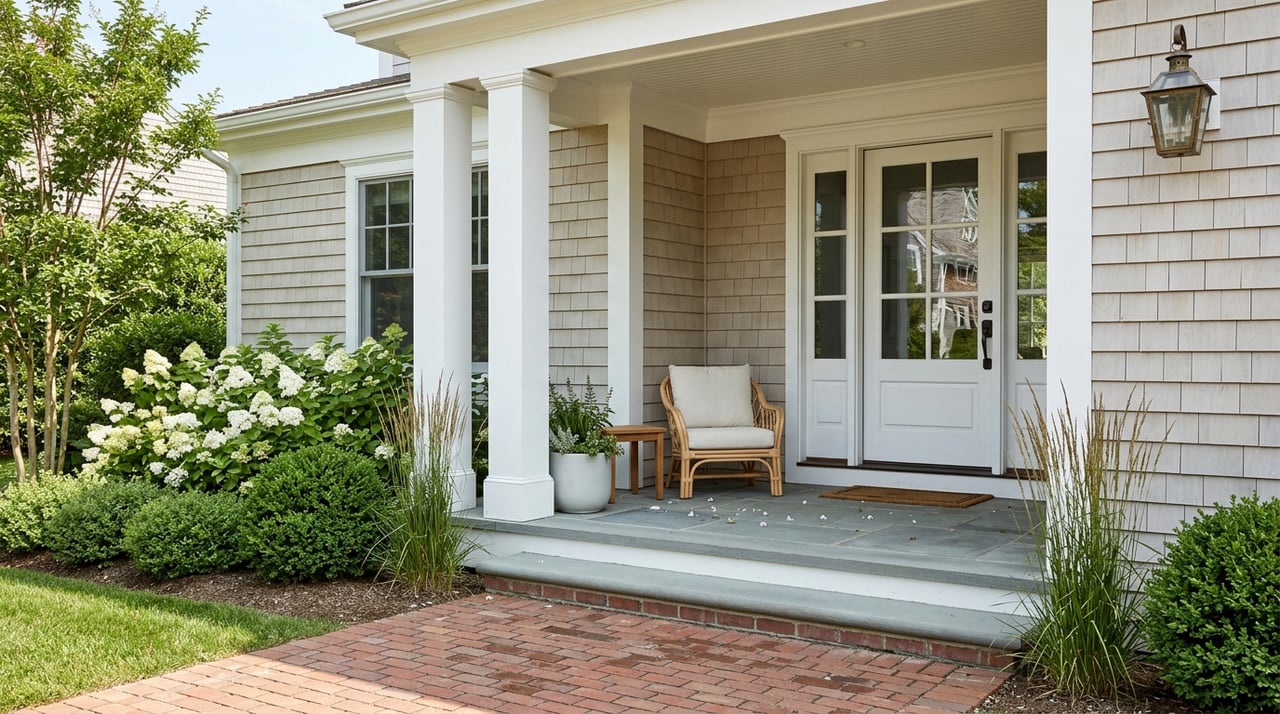
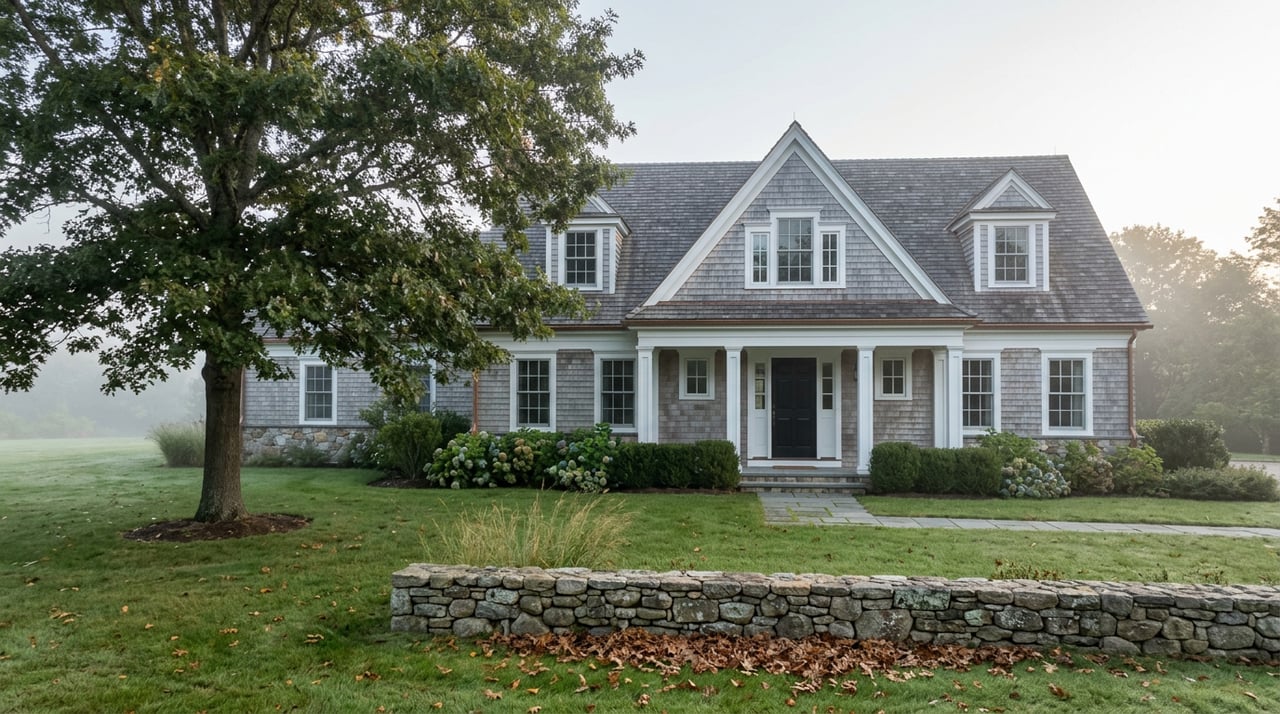
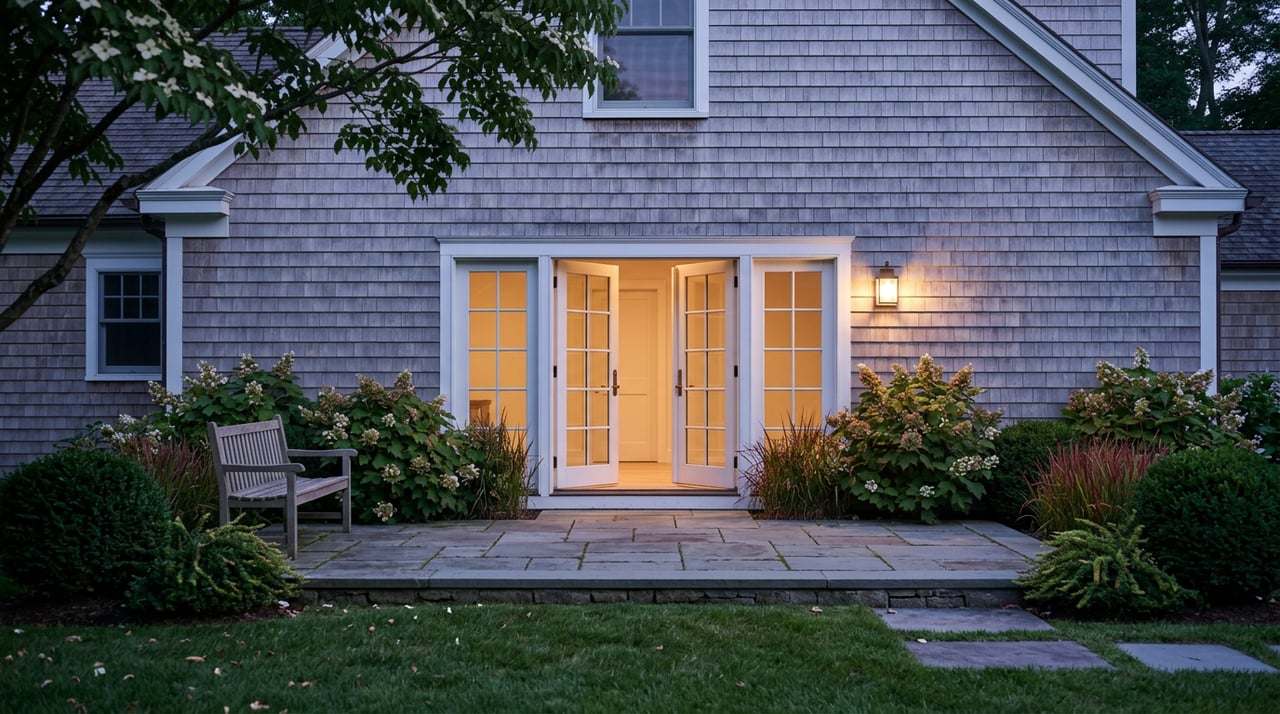
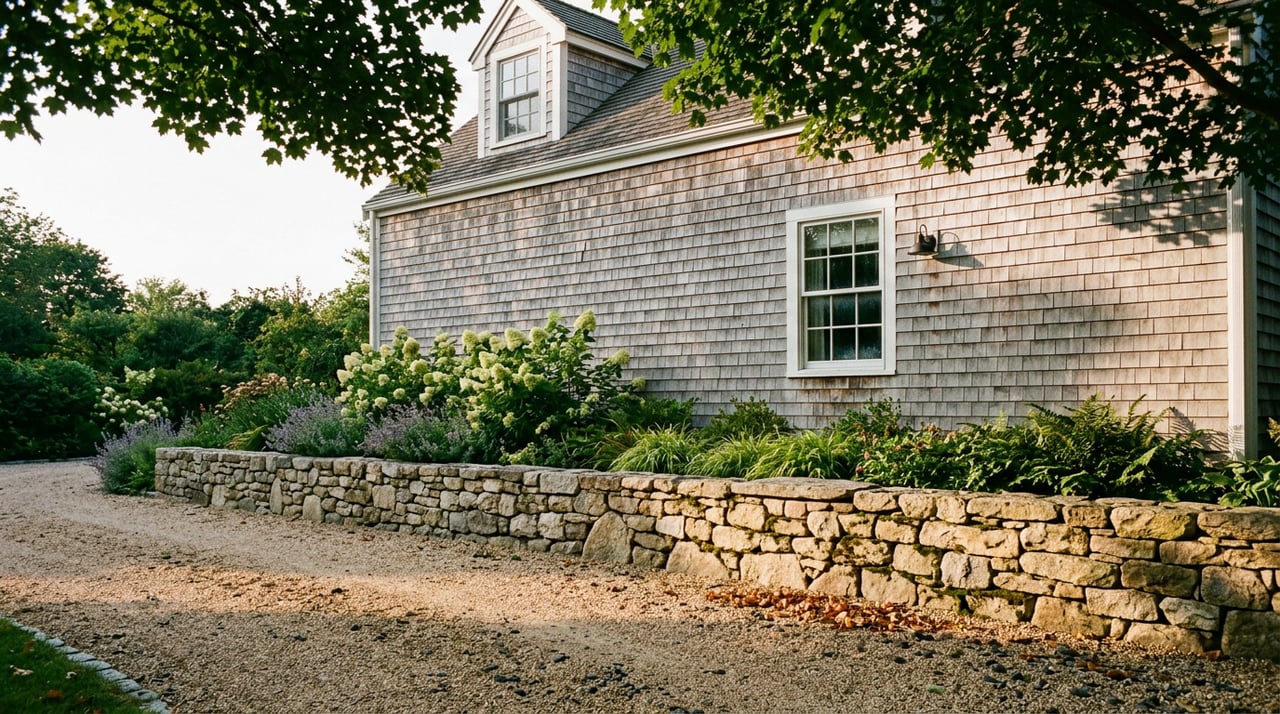
The local historic district handbook notes that Southport includes more than 150 buildings dating from the 18th through 20th centuries. Architectural styles include Federal, Colonial Revival, Cape Cod, and Contemporary homes. Generous lots, gardens, and lawns also continue to shape the streetscape, which adds to the sense of continuity buyers notice right away.
In real estate, lasting appeal often comes from what cannot be easily reproduced. Southport’s historic fabric creates a sense of scarcity because the village is already established and carefully preserved. That matters to buyers who want a home in a place with a strong visual identity and a proven track record of desirability.
The area’s evolution also adds to its long-term draw. According to the local handbook, the railroad arrived in 1848 and helped shift Southport from a trade-oriented harbor town into a more residential place linked to New York, New Haven, and Boston. That blend of historic setting and regional access still shapes how buyers experience the village today.
The Southport Conservancy also describes the village as a place where historic residences, churches, and civic buildings remain central to community identity. For buyers, that means the appeal is not limited to individual homes. It extends to the overall setting, which helps reinforce value over time.
Southport’s location along the shoreline is another major reason buyers continue to pay attention to the village. Coastal real estate often carries strong emotional appeal, but in Southport that appeal is backed by real access and a clear connection to the water. The National Register materials place the historic district at Southport Harbor, which underscores how closely the village is tied to its waterfront setting.
Fairfield says the town has five miles of coastline and five beaches. The town’s beach information also notes that Southport Beach is one of the resident-only beaches during the summer season. Outside the Memorial Day-to-Labor Day parking period, access to all five beaches is free and open to the public.
For buyers, that combination can be especially attractive. You get the sense of a coastal village with real shoreline amenities, while also being part of a town with broader beach access. That kind of lifestyle value tends to stay relevant in many different market conditions.
A beautiful setting is important, but convenience helps sustain buyer demand over the long run. Southport benefits from being on Metro-North Railroad’s New Haven Line, with direct service to Grand Central listed in the current timetable. That gives buyers a practical transportation option while still living in a coastal village environment.
CTDOT’s information on the rebuilt Southport station says the restoration preserved the landmark’s historic character while adding modern commuter convenience. That detail captures one of Southport’s strongest qualities. The village has managed to keep its historic feel while supporting present-day needs.
Fairfield Museum adds broader context, noting that Fairfield is about 50 miles from New York City and has access to both I-95 and the Merritt Parkway. For many buyers, that regional connectivity expands the village’s appeal well beyond strictly local demand. It can work for people balancing home life, business travel, and regular trips across the region.
Lasting appeal is not only about architecture and location. Buyers also tend to value places with recognizable institutions and community traditions that keep daily life grounded. Southport has both.
Pequot Library describes itself as a cultural beacon for Fairfield, Southport Village, and beyond, offering professional library services and programming. The Southport Conservancy, a nonprofit focused on preserving and restoring historic buildings and property, also points to traditions such as the Blessing of the Fleet and the Southport Street Parade. These are the kinds of local touchpoints that help a village feel lived in and cared for.
That matters because buyers are often looking for more than a house. They are looking for a setting with a clear identity and a sense of continuity. In Southport, those qualities are supported by institutions that remain visible and active.
Another reason Southport Village homes continue to attract buyers is that preservation here is not frozen in time. It is supported by ongoing stewardship. That can reassure buyers who want a village environment that continues to be maintained rather than simply admired.
The Southport Conservancy notes that bluestone sidewalk restoration began in late 2024. While that is just one example, it reflects continued attention to the village’s pedestrian environment and historic appearance. Small details like sidewalks, streetscape condition, and public-facing maintenance often shape how a place feels day to day.
For homeowners, that kind of stewardship can support confidence in the area’s long-term presentation. For buyers, it signals that Southport’s appeal is backed by active care, not just a strong past.
Market data also help explain why Southport remains so compelling. As of May 2026, Realtor.com reported a median listing price of $1.457 million, with 28 homes for sale and a median 51 days on market. The same source reported that homes were selling for approximately asking price on average.
Zillow reported an average Southport home value of $1.508 million, up 7.6 percent year over year, with 20 homes for sale. For broader comparison, Redfin reported a Fairfield County median sale price of $748,000 in May 2026, up 8.4 percent year over year. Taken together, those figures suggest Southport continues to trade at a substantial premium relative to the broader county.
That premium does not happen by accident. It reflects a low-inventory submarket tied to characteristics that are difficult to duplicate, including preserved historic character, harbor proximity, beach access, and commuter convenience. When buyers see those features in one location, demand tends to remain resilient.
If you own a home in Southport Village, these factors shape more than neighborhood pride. They influence how buyers perceive value and why they may be willing to compete for well-positioned homes here. In a market like this, the story around a property matters almost as much as the specifications.
A home in Southport is often part of a broader lifestyle narrative that includes architecture, setting, access, and presentation. That is why thoughtful preparation can be so important when it is time to sell. Buyers are not just comparing square footage. They are weighing the full experience of living in the village.
For sellers, that creates an opportunity to present a home in a way that highlights both the property itself and the enduring strengths of the location. When a market already has built-in scarcity and identity, strong presentation can help that value come through clearly.
If you are thinking about selling in Southport, working with a local advisor who understands pricing, positioning, and presentation can make a meaningful difference. To request a complimentary home valuation, connect with Elizabeth Altobelli.
Stay up to date on the latest real estate trends.
With extensive experience and expertise, Elizabeth is well-equipped to navigate this complex market, negotiating with her client's best interests in mind. She holds great reverence for the successful family business, which led to her joining William Raveis.
Get In Touch With Me To Learn More
Elizabeth Altobelli
2525 Post Road Southport, CT 06890